



If you’ve been searching for paid class a cdl training near me, you’re probably not looking for a hobby. You want a faster path to a real paycheck, and you want to know whether paid training is actually a good deal or just a sales pitch with fine print. That’s the right question to ask before you commit.
The truth is that paid CDL training can be a smart way into trucking, but it depends on how the program is set up. Some options help you get licensed and move into work quickly. Others come with trade-offs that can affect where you work, how much freedom you have, and how soon you start earning what you expected.
What paid class A CDL training near me usually means
When people look for paid class A CDL training near them, they are usually talking about one of two things. The first is company-sponsored training, where a carrier covers some or all of the cost of CDL school in exchange for a work commitment. The second is a training school that helps students access workforce funding, grants, scholarships, or other financial support so the out-of-pocket cost is low or manageable.
Those are not the same experience.
With company-sponsored training, the biggest advantage is obvious - lower upfront cost. If money is the main obstacle, that can make trucking feel reachable. But there is usually a catch: you may need to sign an agreement to work for that company for a set period of time. If you leave early, you may owe money back.
With an independent school, you may have more flexibility in choosing who you work for after training. You can compare job options instead of being tied to one carrier from day one. For many students, that freedom matters just as much as the training itself.
The real question is not just cost
A lot of people focus only on whether the training is paid for. That makes sense, especially if you’re changing careers or trying to increase your income without taking on a big financial burden. But the better question is this: what does the full path to employment look like?
A training option can look cheap upfront and still cost you time, earning potential, or job flexibility later. On the other hand, a program with clear scheduling, hands-on instruction, license prep, and job placement support may create a better return even if the money comes from funding sources instead of a trucking company.
That’s why serious students look beyond the phrase “paid training” and ask what happens after enrollment. How fast can you start? How much time is spent behind the wheel? Are instructors experienced? Is there support with testing, funding, and job access? Those answers matter.
How to evaluate paid class A CDL training near me
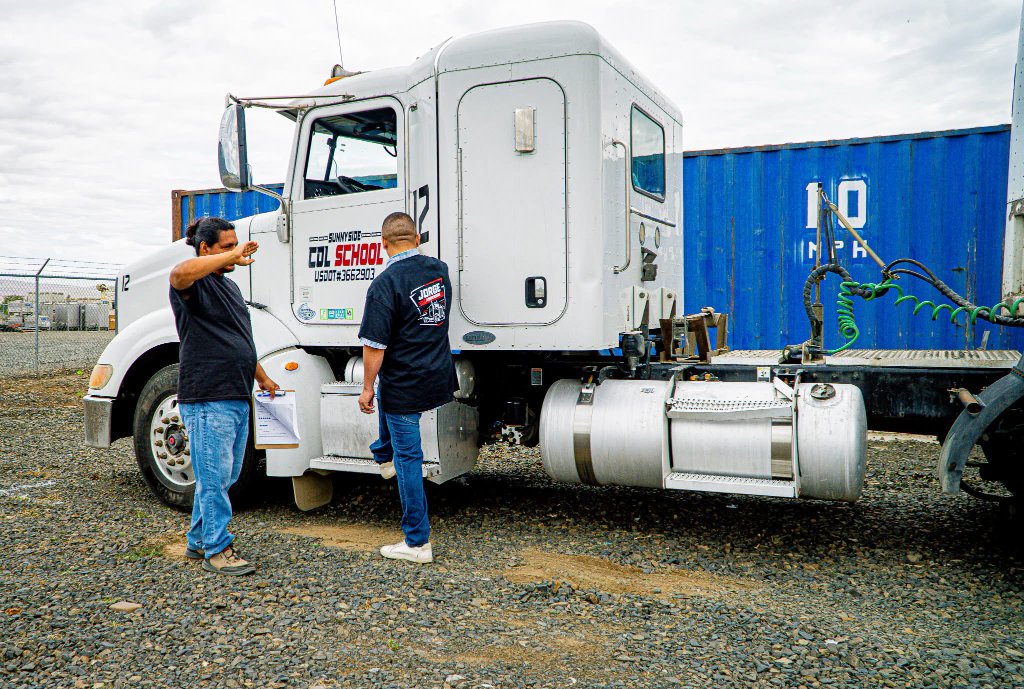
Start with the training model. If the program is mostly classroom time and light on actual driving, that should raise concerns. Class A CDL students need real seat time, range work, backing practice, pre-trip prep, and road training. You are preparing for a license and a job, not just completing a course.
Next, look at the schedule. If you need to get into the workforce quickly, the program should be structured for that goal. Adults entering trucking are often balancing bills, jobs, or family responsibilities. A good school understands that and keeps the process clear, efficient, and practical.
Then ask how funding works. If someone says the training is paid, ask who is paying, under what terms, and what you owe if your plans change. If a school offers help with grants, workforce programs, or scholarships, ask what you may qualify for and how long approval takes. Funding support is valuable, but only if it’s transparent.
Job support is another major factor. The best CDL training does more than prepare you for the exam. It helps position you for work. That can mean employer connections, job leads, hiring guidance, or support for students entering the workforce for the first time in a skilled trade.
Company-paid training vs independent CDL school
Company-paid training can make sense if your top priority is getting started with little to no upfront cost and you are comfortable committing to one employer. For some students, that trade-off is worth it. If you need a fast route into trucking and you are okay with fewer choices at the beginning, it can be a workable option.
But there are reasons many students prefer independent training. First, independent schools are built around instruction, not just filling a carrier pipeline. Second, they may offer access to multiple employers after graduation. Third, they often provide a more student-focused experience with hands-on training and support built around licensure and job readiness.
This matters because your first trucking job is important, but it probably will not be your last. The more flexibility you have after earning your CDL, the more control you have over your next move.
For students who want a direct, career-focused path, a school that combines expert instruction, structured scheduling, funding guidance, and employment support can be the better long-term play. That’s especially true if you want to compare opportunities instead of being locked into one carrier agreement.
Red flags to watch for
Not every paid training option is built to help you succeed. If the details feel vague, slow down.
Be cautious if a program avoids clear answers about contract terms, repayment obligations, total training time, or how much hands-on driving you actually get. You should also be wary of any school or sponsor that promises a high-paying trucking career without explaining the steps required to get there.
Entry-level drivers can earn strong income, but the path still takes work. You need the right training, the right license, and the right job match. Honest programs talk about opportunity and effort together.
Another red flag is poor support during the licensing process. CDL training should feel organized. You should know what is expected, what comes next, and how the program is moving you toward testing and employment.
What a strong CDL training path should include
A strong path into trucking is built around momentum. You need training that gets you from enrollment to skill development to testing to job access without unnecessary delays.
That means hands-on practice matters. Expert instructors matter. A clear schedule matters. Financial guidance matters. So does support for students who are trying to make a serious career move, not just check a box.
This is where a workforce-driven school stands out. Instead of treating CDL training like a generic classroom program, the right school treats it like what it is - career preparation. That means real instruction, practical expectations, and a focus on employability.
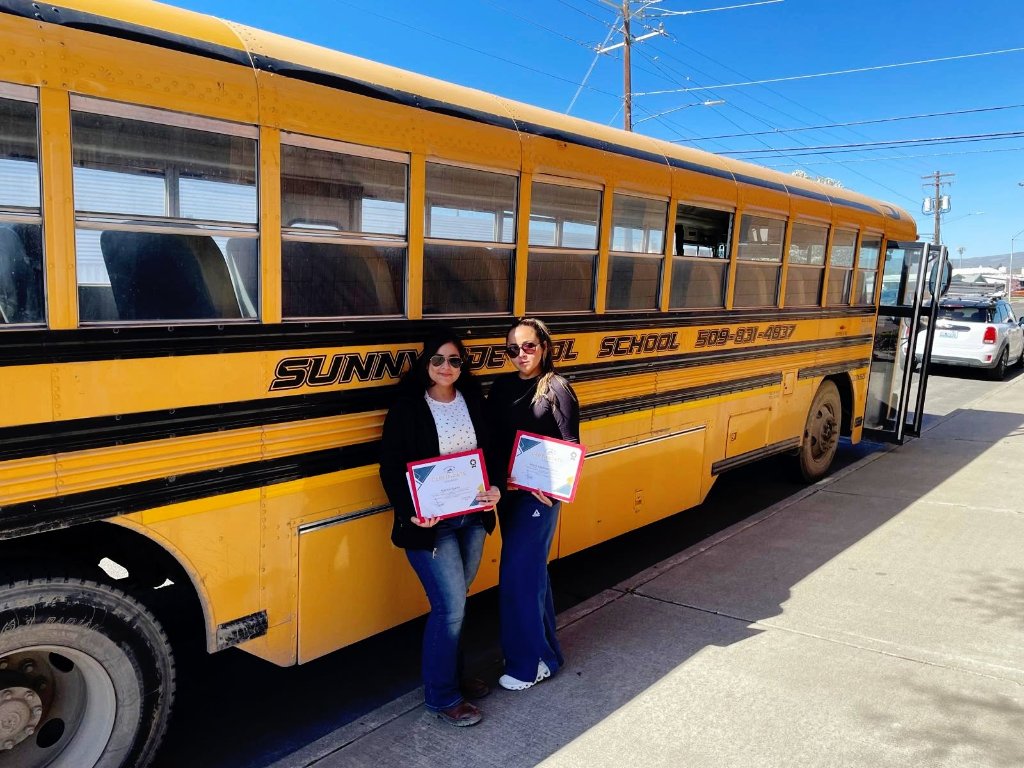
For example, a school like Sunnyside CDL School is built around that kind of outcome. The value is not just in helping students prepare for the Class A CDL. It is in helping them move faster toward job-ready skills, funding pathways, and employment opportunities.
Is paid CDL training the best option for you?
It depends on your starting point.
If you have very limited funds and want the lowest barrier to entry, company-paid training might be a reasonable first step. Just make sure you understand the commitment before you sign anything.
If you want more control over your job options, stronger hands-on instruction, and support that goes beyond the license itself, an independent CDL school may be a better fit. That is often the smarter route for students who are thinking beyond the first paycheck and aiming for a stable, high-paying trucking career.
The key is to choose a path that matches your goals, not just your immediate situation. Cheap training is not always the best value. Fast training is only useful if it prepares you to pass, get hired, and perform on the job.
When you search for paid class a cdl training near me, don’t stop at the first ad or the first promise. Ask better questions. Look at the full path. Choose the program that gives you real training, clear expectations, and a direct route into the workforce.
A good CDL program should do more than get you through school. It should put you in position to move forward with confidence, earn your license, and start building the kind of career that changes your income and your options.