




Some drivers know their answer before they ever get a CDL. They want to sleep at home, keep a steady routine, and work close to family. Others want bigger miles, longer runs, and the kind of paycheck that can come with life on the road. If you are weighing local driving jobs vs over the road, the right choice comes down to how you want to live just as much as how you want to earn.
This is not a small decision. The job you choose after training shapes your schedule, your income pattern, your stress level, and how long you stay in the industry. For new drivers especially, it helps to look past the job title and focus on what daily life really looks like.
Local driving jobs vs over the road: what is the difference?
Local driving jobs usually keep you within a set region and get you home daily, or close to it. These roles often include delivery routes, construction support, food and beverage hauling, waste removal, yard switching, dump truck work, bus driving, and some dedicated Class A runs. Your day starts at a set time, you complete assigned stops or loads, and you return home when the shift ends.
Over-the-road, often shortened to OTR, means long-haul driving across multiple states. Drivers may be out for one to three weeks at a time, sometimes longer, depending on the carrier and freight lane. Home time is scheduled in blocks rather than every night, and the work is built around long-distance movement instead of local routes.
That difference sounds simple, but it changes almost everything. Local work is usually shift-based. OTR work is lifestyle-based.
Pay is not just about the top number
A lot of new CDL students start with one question: which one pays more? The honest answer is that it depends on the lane, the company, the equipment, your experience, and how you are paid.
OTR jobs often advertise strong earning potential because drivers cover more miles. More miles can mean more money, especially when pay is based on cents per mile. For a new Class A driver, OTR can be one of the fastest ways to build experience and access long-haul freight that keeps moving year-round.
But local jobs can be competitive too, especially if they pay hourly, include overtime, or involve specialized work. A local driver who works full shifts, gets overtime, and handles physical freight may out-earn an OTR driver during certain periods. The trade-off is that local work can be more labor-intensive. You may be unloading, making frequent stops, dealing with city traffic, or handling customer-facing tasks throughout the day.
That is why comparing raw salary numbers can mislead you. Ask how pay is structured, how many hours are typical, whether overtime is available, and what kind of work fills those hours. A higher annual estimate does not always mean a better fit if the schedule burns you out.
Home time changes everything
For many people, this is the deciding factor.
Local driving gives you the strongest shot at a predictable home life. If you have kids, a second job, family responsibilities, or simply want your own bed every night, local work can be a better long-term fit. It creates more structure. You can plan dinners, appointments, and weekends with more confidence.
OTR offers much less daily routine at home, but some drivers prefer the trade. They like the independence, the open road, and the chance to focus on work without constant stop-and-go pressure. If you are comfortable being away for stretches and want a job that takes you across the country, OTR may feel less restrictive than local shift work.
Neither option is automatically better. It depends on what pressure feels manageable to you. Some people hate being gone overnight. Others hate city traffic, tight delivery windows, and unloading at ten stops a day.
The work itself feels different
A local route and an OTR run do not just differ by geography. They ask different things from the driver.
Local jobs often involve more backing, more turns, more traffic, and more interaction with customers, dispatchers, and receiving staff. You may be in and out of the cab all day. In many roles, speed, accuracy, and physical stamina matter as much as pure driving skill.
OTR work usually includes more highway driving and fewer stops, but that does not mean it is easy. Long stretches on the road require patience, focus, trip planning, time management, and comfort with solitude. You also need to manage sleep, parking, weather, deadlines, and life away from home.
Some new drivers assume OTR is harder because of the distance. Others find local work harder because every hour brings a new challenge. The better question is this: what kind of pressure do you handle best?
Which is better for new CDL drivers?
For many entry-level Class A drivers, OTR can be easier to break into. Carriers often hire new graduates for long-haul roles because they need steady freight coverage and are set up to onboard beginner drivers into larger fleets. That can make OTR a strong first step if your main goal is to get hired fast, gain experience, and move forward.
Local jobs can be tougher to land right away in some markets. Employers may want clean driving records, experience with route work, or confidence that a new hire can handle tight spaces and customer demands from day one. That does not mean local work is off the table. It means you may need the right training, a strong work ethic, and flexibility about the type of local role you take first.
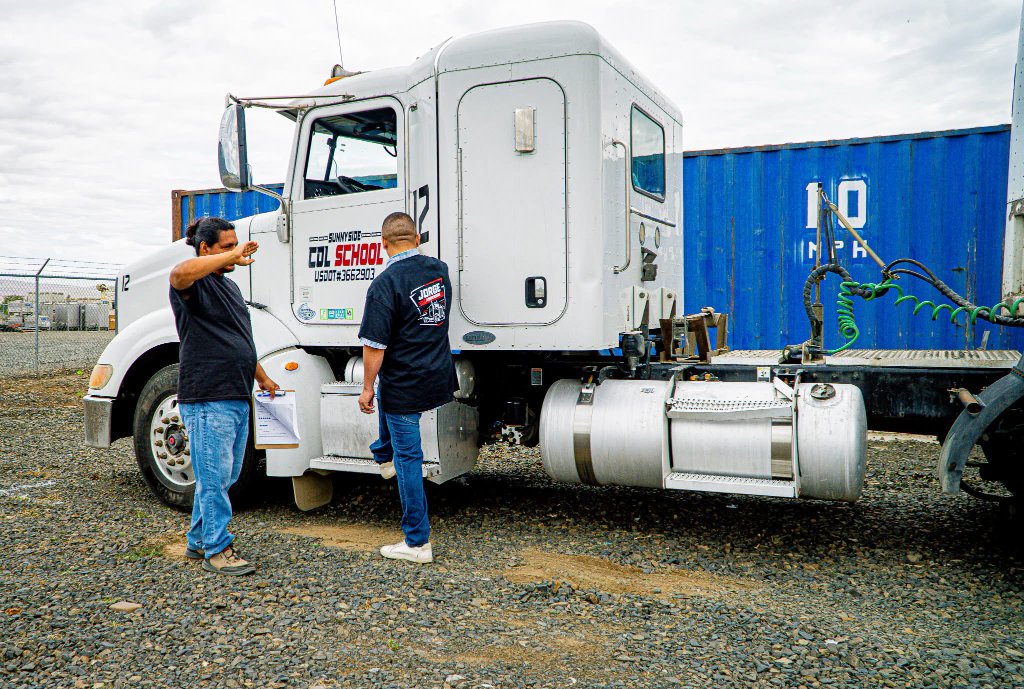
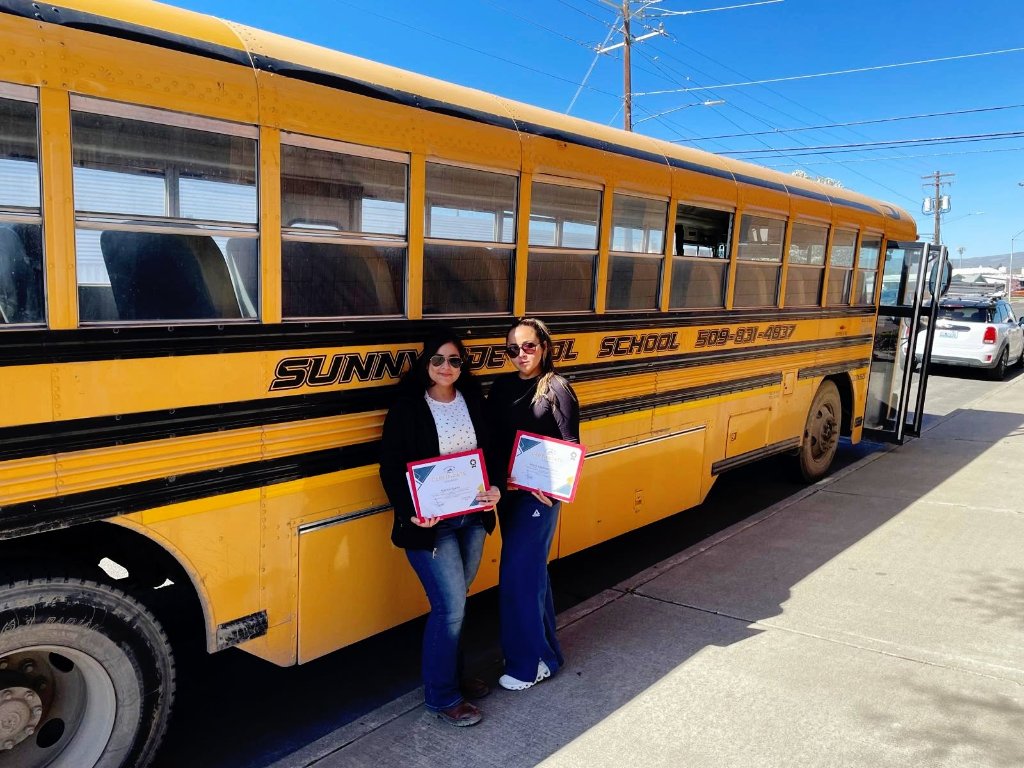
This is where job-focused CDL training matters. A school like Sunnyside CDL School prepares students for more than the road test. The real goal is employability - building the backing, control, safety habits, and confidence that make employers take you seriously.
Local driving jobs vs over the road for long-term career growth
Your first driving job does not have to be your forever job. In fact, many drivers move between local and OTR more than once over the course of a career.
Starting in OTR can help you build a clean work history, stack miles, and qualify for better jobs later. After six months to a year of experience, more local doors may open. That path is common for drivers who want to pay their dues, build confidence, and then transition into a home-daily role.
Starting local can also be smart if you know your lifestyle cannot support extended time away. A local position may help you stay in the industry longer because the job fits your life. Consistency matters. A job that works for your household may be worth more than a job with a bigger number on paper.
Long-term growth also depends on endorsements, safety record, equipment type, and the sectors you enter. Tanker, hazmat, passenger, and other specialty paths can shift the equation either way.
Think about lifestyle before you think about image
Some people are drawn to trucking because they picture freedom on the interstate. Others picture a stable skilled trade with steady hours and daily paychecks. Both are real. Neither tells the full story.
If you choose OTR because it sounds exciting, but you know being away from home wears on you fast, that mismatch can show up within weeks. If you choose local because you like the idea of being home nightly, but you hate constant stop-and-go work and physical unloading, that mismatch also shows up quickly.
A good career decision is not about choosing the job that sounds toughest or most impressive. It is about choosing the one you can perform well and stay committed to.
Questions to ask before you choose
Before you accept any CDL job, ask what a normal week looks like. Ask how pay works, how often drivers get home, what the freight is, whether unloading is required, how many hours are realistic, and what turnover looks like. Ask whether the route is truly local, because some "local" jobs still involve long days or occasional overnight runs.
Also be honest with yourself about your current season of life. If you need quick entry and broad job access, OTR may give you more options. If you need routine and daily home time, local work may be worth pursuing even if it takes longer to find the right opening.
The best CDL job is not the one somebody else prefers. It is the one that matches your earning goals, your responsibilities, and the kind of workday you can handle consistently.
If you are still deciding between local and OTR, that is normal. A lot of smart drivers start with one path, learn what fits, and adjust as they gain experience. What matters most is getting trained well, entering the industry with realistic expectations, and choosing a lane that moves your life forward.