



If you are searching for how to get a CDL, you probably are not looking for a hobby. You are looking for a faster path to steady income, better job options, and a career you can start without spending years in school. That is exactly why it helps to understand the process clearly before you commit your time and money.
Getting a Commercial Driver’s License is straightforward, but it is not instant. There are steps, deadlines, and a few decisions that can either speed things up or slow you down. The people who move through it fastest usually do two things well: they choose the right license for their goals, and they train with a program built around passing the test and getting to work.
How to get a CDL: start with the right license
Before you fill out forms or compare schools, you need to know which CDL fits the job you want.
A Class A CDL is the most flexible option. It typically qualifies you to drive tractor-trailers, combination vehicles, and many of the jobs people think of when they picture over-the-road trucking. If your goal is broader job access and higher earning potential, Class A is often the better long-term move.
A Class B CDL is usually the right fit if you want to drive straight trucks, buses, dump trucks, or other heavier single vehicles. For some students, Class B makes more sense because the training path can feel more targeted to local work. If you already know you want construction, delivery, or certain municipal roles, Class B may be all you need.
This is one of the biggest trade-offs in the process. Class A can open more doors, but if your goals are local and specific, Class B can be the faster, more focused route.
Meet the basic CDL requirements
Most applicants need to be at least 18 to drive commercially within their state and 21 to cross state lines, transport hazardous materials, or in many cases qualify for a wider range of trucking jobs. You also need a valid driver’s license and a reasonably clean driving history.
You will also need to pass a Department of Transportation physical exam and drug screening. These are not side steps. They are part of the process, and they matter early because medical issues or documentation delays can hold up your timeline.
Some states may have additional requirements, so the exact checklist can vary. That is one reason strong schools help students move faster. They know where people get stuck and how to prepare the paperwork before it becomes a problem.
Get your Commercial Learner’s Permit
For most people, the first official milestone is the Commercial Learner’s Permit, often called the CLP. To get it, you will usually need to study your state’s CDL manual and pass written knowledge tests.
The permit phase covers core material like vehicle inspection, air brakes, and combination vehicles, depending on the license class and endorsements you want. This is where many self-directed applicants lose time. They underestimate the written side, fail a test, then have to reschedule and wait.
If you want a fast track, take the permit seriously from day one. Study with a plan, not just when you have a spare hour. A good training program often helps students prepare for the permit before behind-the-wheel training starts, which can keep the whole process moving.
Complete Entry-Level Driver Training
For many first-time CDL applicants, federal rules require Entry-Level Driver Training from an approved provider before taking the road skills test. This is a major reason why choosing the right school matters.
Not all training programs are built the same. Some spend too much time in the classroom and not enough time in the truck. Others move students through a checklist without building confidence. If your goal is employment, you want training that is hands-on, structured, and designed around real test performance and job-readiness.
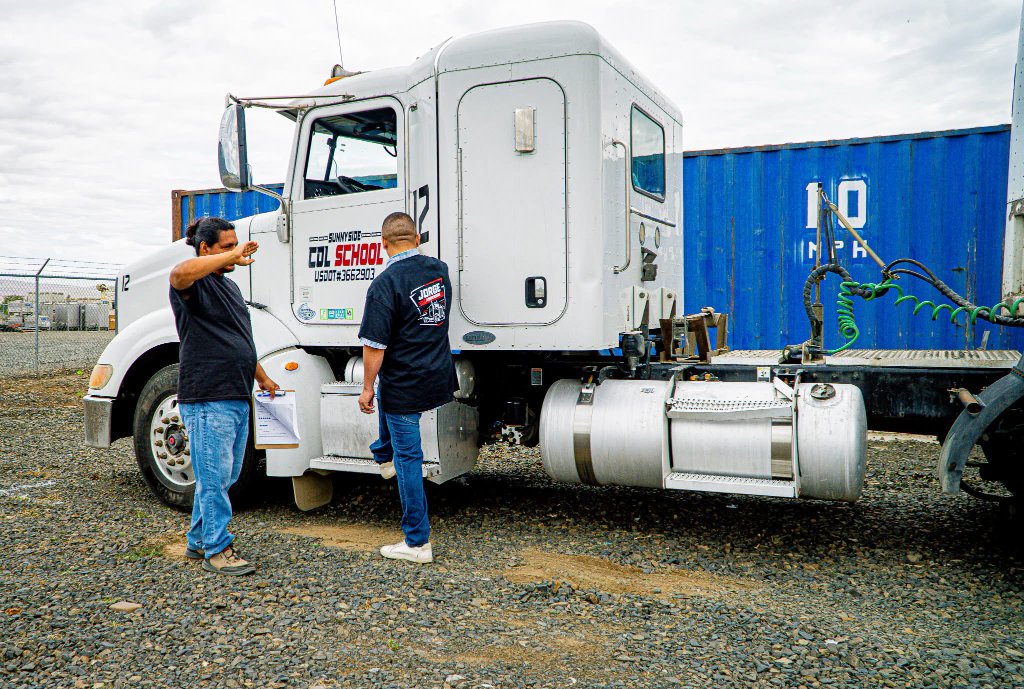
A solid CDL training program should teach pre-trip inspection, backing maneuvers, range driving, and road driving in a sequence that makes sense. You should be practicing the same core skills you will be tested on, with instructors who know how to correct mistakes before they turn into bad habits.
This is also where scheduling matters. If you are balancing work or family responsibilities, ask how often you will actually be behind the wheel. A low sticker price does not help if the schedule drags your training out for months.
Choose a school that gets you job-ready
If you are comparing options, do not just ask, “How much does it cost?” Ask how quickly students can complete training, how much hands-on driving they get, whether the instructors have real industry experience, and what kind of support exists after graduation.
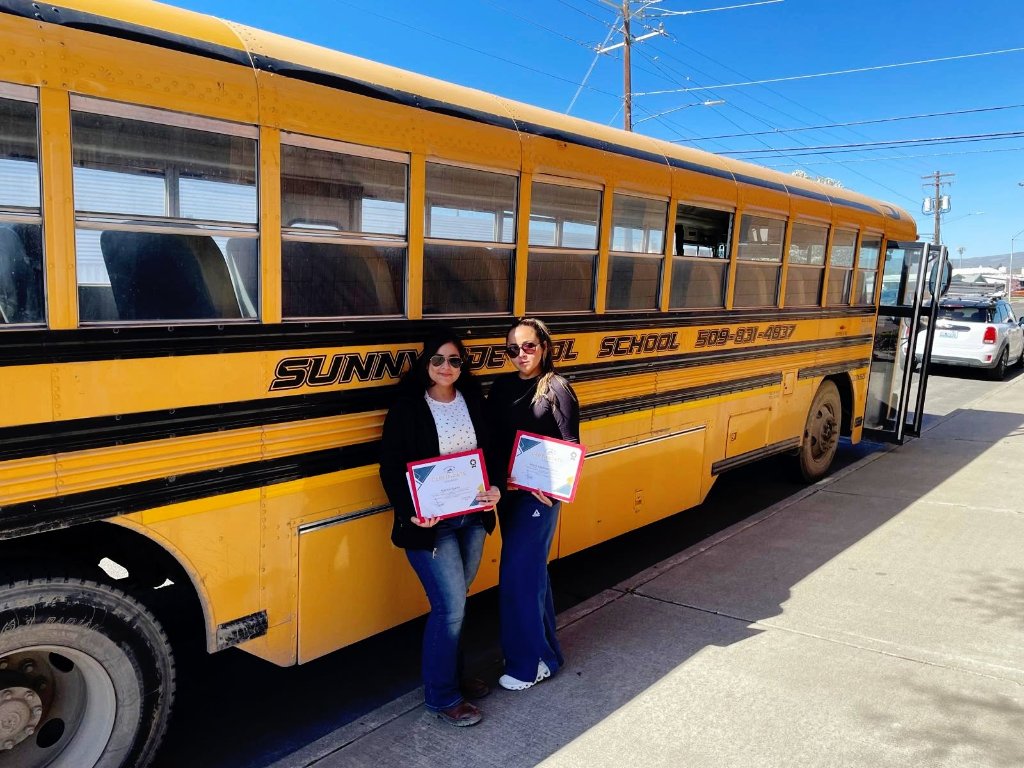
The strongest programs are built around employment, not just test completion. That means helping students understand license class options, preparing them for the skills exam, and pointing them toward hiring opportunities once they are licensed. Sunnyside CDL School is part of that kind of career-focused model, where the goal is not just to teach the material but to help students move from training into the workforce.
Funding also matters more than many people expect. Some students pay out of pocket, but many use workforce funding, grants, scholarships, or employer-supported paths. If cost is the only thing stopping you, it is worth asking what financial options are available instead of assuming CDL training is out of reach.
Pass the CDL skills test
Once you have completed the required training and held your permit long enough under your state’s rules, the next step is the CDL skills test. This usually includes three parts: the pre-trip inspection, basic vehicle control, and the road test.
The pre-trip inspection is where you show that you know the vehicle and can identify safety-related components correctly. The basic control section tests maneuvers like straight backing, offset backing, or parallel parking, depending on the testing standard. The road test evaluates how you handle the vehicle in live traffic and whether you can drive safely and professionally.
This part can feel high pressure, but the outcome usually comes down to preparation. Students who have repeated the same skills with qualified instruction tend to perform much better than those trying to piece things together on their own. Testing nerves are real, but confidence usually comes from repetition.
Add endorsements if they fit your goals
A CDL by itself may be enough to start working, but endorsements can expand your options. Depending on the job path you want, you may consider tanker, doubles and triples, passenger, school bus, or hazardous materials.
Endorsements can make you more marketable, but they are not always necessary at the start. It depends on the kind of work you want and how fast you need to get into the workforce. If your priority is landing a first job quickly, it may make sense to earn the base license first and add endorsements later. If a specific employer or route requires one, then it is smarter to build it into your training plan from the beginning.
What can slow the process down
When people ask how to get a CDL fast, the answer is usually less about shortcuts and more about avoiding delays.
The biggest slowdowns are usually missed documents, poor permit prep, limited training availability, and choosing a school with too little driving time. Waiting too long to schedule your physical, not studying for the CLP, or signing up for a program that is not organized around quick completion can stretch a short-term training path into a frustrating one.
Another issue is choosing a license class without thinking about the job outcome. If you train for one type of work and later realize you need broader options, you may have to invest more time and money to move up.
After you get licensed, move quickly toward work
A CDL is not the finish line. It is your access point to a skilled trade with real earning potential. Once you pass the test, the next smart move is to line up applications, talk to recruiters, and target employers that hire recent graduates.
Some students want long-haul routes right away. Others want local delivery, bus driving, construction, or regional work that gets them home more often. There is no single best first job. The right one depends on your schedule, income goals, and how much time you want on the road.
What matters most is momentum. The sooner you move from training into the job market, the sooner your CDL starts paying you back.
If you want a practical answer to how to get a CDL, it comes down to this: choose the right license, get your permit, train with a hands-on program, pass the skills test, and step into the job market with purpose. A good training path does more than help you pass. It helps you start building a better paycheck and a more stable future.