



If you are trying to get into trucking fast, one of the first questions you need answered is how long is class a cdl training. The short answer is that many Class A CDL programs can be completed in about 3 to 8 weeks, but your actual timeline depends on the schedule you choose, your state’s requirements, and how much behind-the-wheel practice the program includes.
That range matters because not all training is built the same. Some schools move students through a full-time fast-track schedule, while others offer part-time options for people balancing work or family responsibilities. If your goal is to get licensed and job-ready as quickly as possible, you need to look beyond the calendar and understand what is packed into those weeks.
How long is Class A CDL training in most programs?
For most students, Class A CDL training falls into one of three timelines. A full-time program may take around 3 to 4 weeks. A more standard full-time schedule often runs 4 to 6 weeks. A part-time or evening schedule can stretch to 6 to 8 weeks or longer.
The reason for that spread is simple. CDL training is not just classroom instruction. You are learning vehicle systems, safety rules, pre-trip inspections, backing maneuvers, range work, and road driving. A shorter program usually means a tighter schedule with more hours each week. A longer program may cover the same core skills, but in a format that gives working adults more flexibility.
If you are comparing schools, ask how many total training hours are included, how many of those hours are actual driving time, and how the schedule is structured week by week. A program that looks shorter on paper is not always better if it leaves you underprepared for the CDL skills test or your first job.
What affects how long Class A CDL training takes?
The biggest factor is whether you attend full time or part time. Full-time students usually finish faster because they are training several days a week for longer blocks of time. Part-time students may need more weeks to complete the same material.
State and federal requirements also shape the timeline. Entry-Level Driver Training rules require specific instruction before a new driver can take the CDL skills test. Schools have to meet those standards, which means the program cannot simply skip core topics to save time.
Then there is the school’s training model. Some programs are heavily hands-on from the start. Others spend more time in the classroom before moving students into the truck. Hands-on programs often feel more efficient for students who learn by doing, but they still need enough structure to build safe habits.
Testing availability can affect your finish date too. Even if you complete training on schedule, your CDL exam appointment may depend on local testing demand. That does not mean your training took longer, but it can delay the moment you officially earn your license.
Finally, your own pace matters. Some students pick up backing and shifting quickly. Others need more repetitions to feel confident. That is normal. Good training should prepare you to pass the test and step into the workforce with real driving skills, not just rush you through the process.
What happens during Class A CDL training?
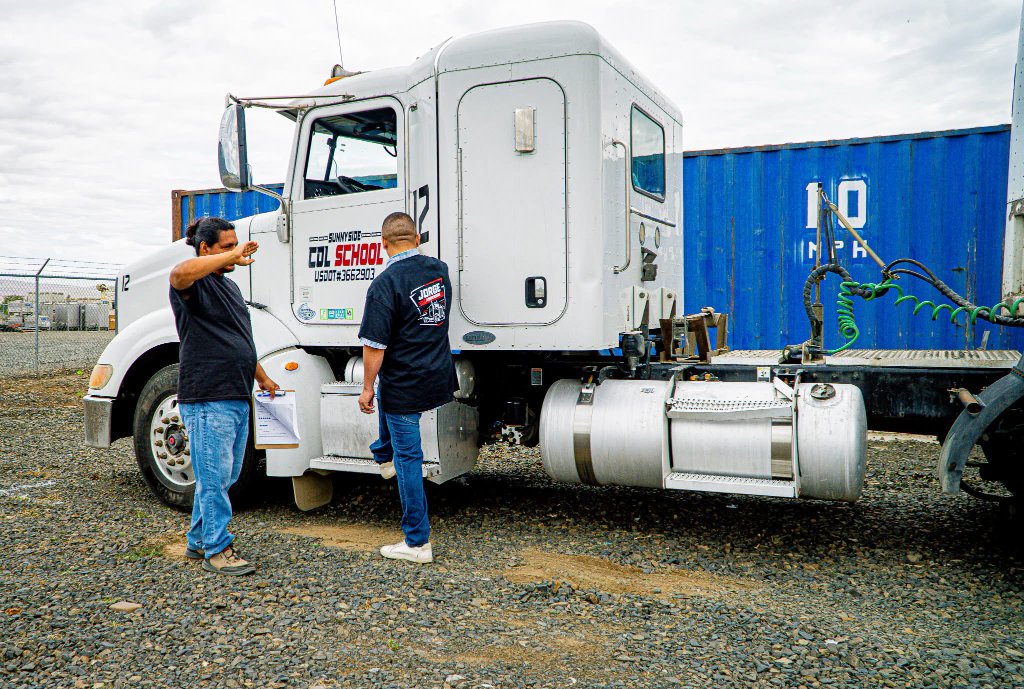
A strong Class A program is built to move you from beginner to employable driver in a short period of time. Early training often covers CDL rules, safety procedures, inspection routines, and permit preparation. From there, students move into yard and range training, where they practice straight-line backing, offset backing, alley dock maneuvers, coupling, and uncoupling.
Road training is where many students start to see the career become real. You learn how to handle turns, lane changes, braking, traffic flow, and route awareness in a commercial vehicle. This part of training is essential because passing a test is one thing, but being ready for the demands of a trucking job is another.
The best programs stay focused on job-ready preparation. That means enough repetition, enough instructor feedback, and enough real practice time to build confidence before test day.
Fast-track training vs. flexible schedules
If your top priority is speed, a fast-track full-time program will usually get you there sooner. This option works well for students who can dedicate their weeks to training and want to enter the job market as quickly as possible. It is often the best fit for career changers who are ready to make a clean move into trucking.
A flexible schedule can still be the right choice if you are working, managing childcare, or handling other commitments. The trade-off is time. You may take a few more weeks to finish, but that can be better than delaying your plans entirely because the schedule is unrealistic.
This is where being honest about your availability matters. The fastest program is not the best program if you cannot attend consistently. Missed training days can slow you down more than choosing a slightly longer schedule from the start.
Is shorter CDL training always better?
Not necessarily. Speed matters, especially if you want a fast track into a higher-paying field, but quality matters just as much. A shorter program can be a smart choice if it includes serious hands-on training, experienced instructors, and enough drive time to prepare you for both the CDL exam and entry-level work.
On the other hand, a program that promises a very fast finish without enough practice can cost you more in the long run. If you leave training without confidence, fail your test, or feel unprepared in job interviews, those lost weeks can erase the benefit of a shorter timeline.
That is why smart students look at outcomes, not just duration. Ask whether the program is designed around employability, whether instructors work closely with students, and whether the training gives you real experience behind the wheel.
How to choose the right training timeline for your goals
The right answer depends on how quickly you need to start earning and how much time you can commit now. If you are ready to train full time, a shorter Class A CDL program may help you move from enrollment to licensure to job search in a matter of weeks. If you need flexibility, a part-time format may be the better path even if it takes longer.
Think about your goal in practical terms. Are you trying to leave your current job fast? Do you need a schedule that works around your family? Are you looking for a school that can also help you understand funding, scholarships, or workforce support while you train? Those factors all matter because the right program is not just about getting through class. It is about getting into a better job with a clear next step.
At Sunnyside CDL School, that career-first mindset is what makes training valuable. Students are not looking for a long academic process. They are looking for a direct route to a CDL, real driving skills, and a path into the workforce.
A realistic timeline from day one to job-ready
For many students, the full process includes more than training alone. First comes enrollment and permit preparation. Then comes the actual Class A CDL training program. After that, you take the skills test, complete any final licensing steps, and begin pursuing job opportunities.
If everything moves smoothly, some students can go from getting started to being ready for work in a relatively short window. But realistic planning is better than wishful thinking. Build in time for paperwork, permit testing, scheduling, and practice. When you do, you can choose a program with confidence and stay focused on the bigger goal - starting a stable, skill-based career.
If you are asking how long Class A CDL training takes, you are really asking how soon you can start building a better paycheck. The answer is often just a few weeks, and for the right student, those weeks can change the direction of the next few years.