



A better-paying driving career can start sooner than you think, but enrollment moves faster when you show up prepared. This guide to CDL enrollment requirements explains what most new drivers need before training begins, what may vary by state, and how to avoid paperwork delays that can push back your start date.
CDL training is built for people who want a direct path into the workforce. You do not need a four-year degree to begin. You do need to meet basic eligibility standards, provide the right documents, and be ready to put in the work behind the wheel.
Start With the Right CDL Goal
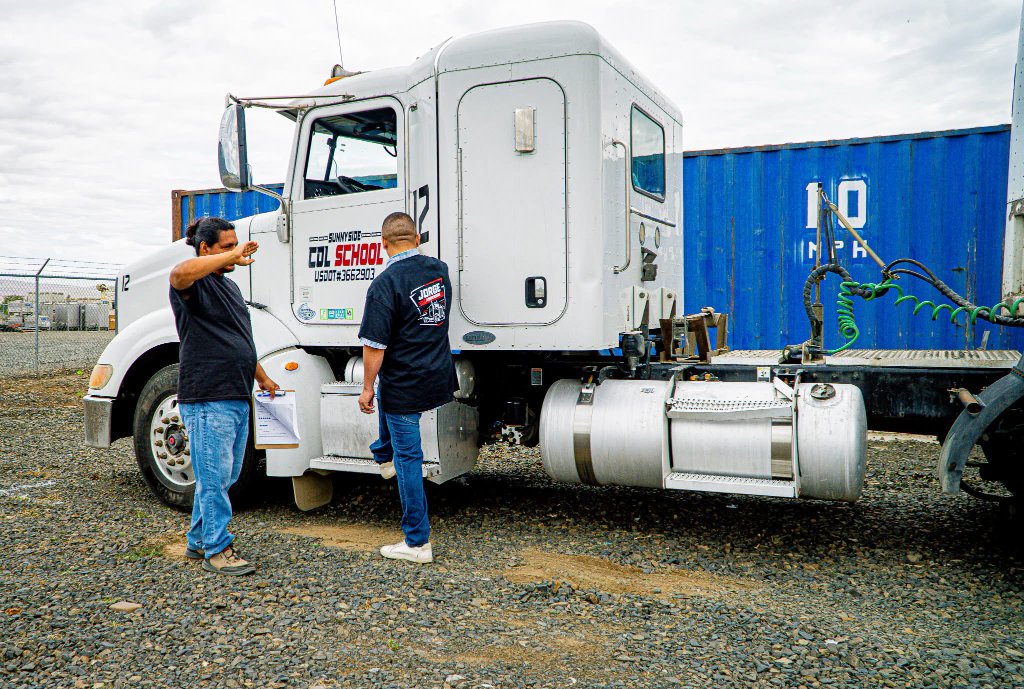
Before you enroll, decide whether Class A or Class B training fits the kind of work you want to pursue. A Class A CDL is generally the route for drivers who want to operate tractor-trailers and combination vehicles. It can open doors to over-the-road, regional, dedicated-route, and local freight jobs.
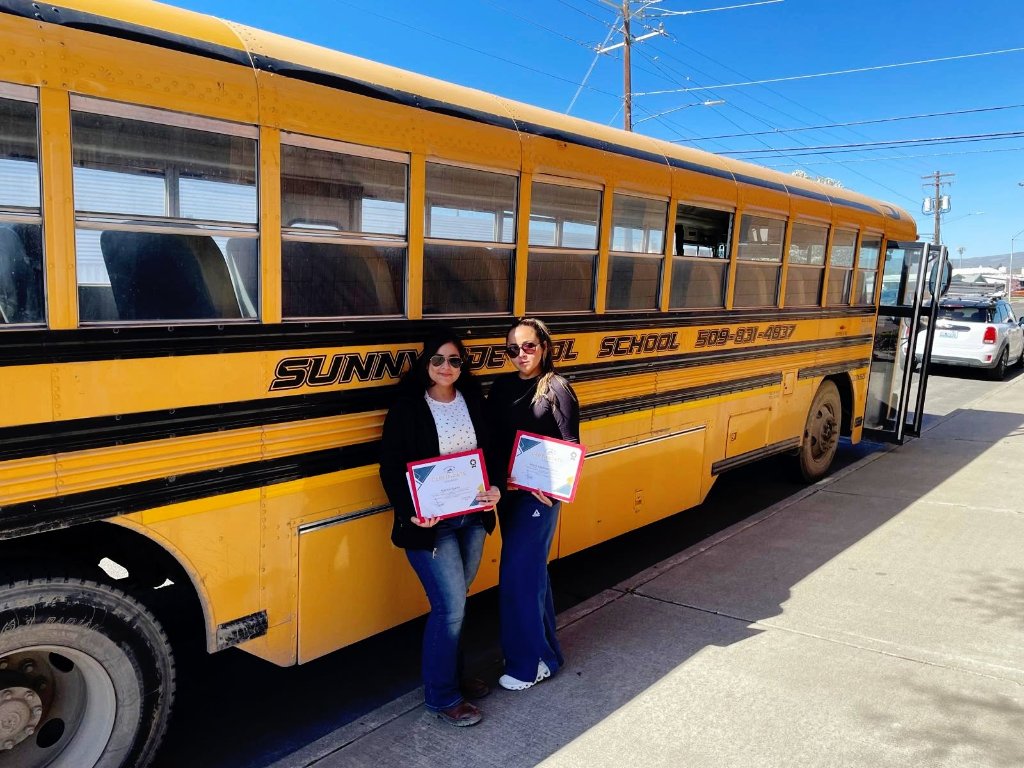
A Class B CDL is typically for straight trucks, dump trucks, box trucks, buses, and other single vehicles above certain weight limits. It may be the better fit if you want local work, delivery routes, construction-related driving, or municipal opportunities.
The right choice depends on your career target, not just the license itself. Class A can offer broader job options, while Class B can be a strong fast-track choice for drivers who want to stay closer to home. A school admissions team can help you match your training plan to the jobs you want to pursue.
Basic CDL Enrollment Requirements
Most CDL schools need to confirm that you can legally train, test, and work toward commercial driving employment. Exact rules vary by state and program, but applicants commonly need to meet the following requirements:
- Be at least 18 years old for in-state commercial driving. Drivers who want to cross state lines generally must be at least 21.
- Hold a valid driver's license from the state where they plan to obtain their CDL.
- Provide proof of identity and legal authorization to work in the United States, such as documents accepted by your state's licensing agency.
- Meet state residency requirements when required by the DMV.
- Be able to read and communicate in English well enough to complete training, understand road signs, and pass required testing.
- Meet medical qualifications for commercial driving, usually through a DOT physical examination.
You may also be asked to provide your driving record. A minor ticket does not always prevent enrollment, but serious violations, a suspended license, or certain recent offenses can affect your eligibility. Be upfront about your driving history early. It is better to know what needs to be resolved before class starts than to discover an issue after you have invested time and money.
Your Driver's License and Identification Documents
Bring your current, unexpired driver's license and the documents your state requires to issue a commercial learner's permit or CDL. Those documents often include proof of identity, Social Security number verification, and proof of address. Requirements can be strict, so names, dates of birth, and addresses should match across your paperwork whenever possible.
If you recently moved, changed your name, replaced a lost license, or have documents from more than one state, give yourself extra time. DMV paperwork is a common source of delays, but it is a problem you can prevent with early preparation.
Medical Card and DOT Physical
Commercial drivers must meet federal medical standards. Before you can move forward with many CDL programs and testing steps, you will likely need a DOT physical from a certified medical examiner. If you pass, you receive a Medical Examiner's Certificate, often called a DOT medical card.
The exam reviews areas such as vision, hearing, blood pressure, medical history, and your ability to safely operate a commercial vehicle. Some health conditions may require additional documentation or monitoring. That does not automatically mean you cannot drive professionally. It means you should address the issue early and understand the medical examiner's requirements.
Do not wait until the last minute to schedule your physical. If follow-up paperwork is needed, an early appointment gives you room to handle it without losing your preferred training start date.
Commercial Learner's Permit Requirements
In many states, you need a Commercial Learner's Permit, or CLP, before you can begin behind-the-wheel training on public roads. To earn the permit, you will usually need to pass knowledge tests covering general commercial driving rules, air brakes if applicable, and combination vehicles for Class A training.
Your school may help you prepare for these exams, but you are responsible for passing them. Study consistently instead of trying to memorize everything the night before your test. The permit is not just a formality. It shows you understand the safety rules you will apply during hands-on training and on the job.
Federal Entry-Level Driver Training rules also apply to first-time Class A and Class B applicants, as well as certain endorsements. Make sure your training provider is approved to deliver the required instruction and report completion properly. Training with a school that understands the full process helps prevent avoidable testing problems later.
Understand School-Specific Requirements
A CDL school may have additional enrollment steps beyond DMV rules. These can include an admissions interview, a basic assessment, attendance expectations, drug screening, background review, or proof that you can meet the physical demands of training.
These steps are not meant to create obstacles. They help ensure you enter a program ready to finish it. CDL training is fast-paced, and missed days can make it harder to keep up with classroom material, yard skills, and road practice.
Ask about the class schedule before enrolling. Some students need daytime training, while others are balancing family responsibilities or a current job. A program that fits your schedule is more valuable than one that simply starts first. The goal is not only to enroll quickly. The goal is to complete training, pass your skills test, and move into the workforce.
Background Checks and Drug Testing
A criminal record does not always disqualify someone from CDL training or trucking work, but it can affect job opportunities with certain employers. The same is true for past drug or alcohol violations. Requirements vary based on the role, the carrier, insurance standards, and the type of freight involved.
Be honest during enrollment conversations. Career-focused schools can help you understand the realistic hiring path available to you. Waiting until after graduation to ask about a potential barrier can limit your options when you are ready to apply.
Plan for Tuition, Funding, and Time Away From Work
Cost is part of enrollment, but it should not stop you from checking your options. Many students use a combination of personal payment, workforce funding, grants, scholarships, or other approved assistance. Eligibility depends on your location, employment status, income, and the specific funding program.
Gather financial documents early if you plan to apply for assistance. Funding applications can take time, and some programs have deadlines or limited availability. Ask what costs are covered and what you may still need to pay for, such as permit fees, physical exams, testing fees, license fees, or transportation.
Also plan for your time during training. A short-term CDL program can move quickly because it focuses on job-ready skills, but that means your attendance matters. Build a realistic plan for childcare, work shifts, meals, transportation, and study time before your first day.
A Simple Way to Prepare Before Enrollment
The strongest applicants do not wait for orientation to get organized. Start by confirming your driver's license is valid, requesting a copy of your driving record if needed, and gathering identity and residency documents. Schedule your DOT physical, study for the CLP tests, and make a clear plan for tuition or funding.
Then think beyond enrollment. Ask yourself what kind of driving work fits your life, whether you can commit to the training schedule, and what endorsements may help you compete for jobs later. Hazmat, tanker, passenger, and school bus endorsements have separate requirements, so you do not need to pursue every option at once.
Sunnyside CDL School is built for adults who are ready to trade uncertainty for a practical career path. When your paperwork is ready and your goal is clear, training becomes more than a class schedule. It becomes the first move toward earning your CDL and getting to work.