



If you need a better paycheck this year, not two years from now, fast track CDL training gets your attention for a reason. The promise is simple - spend weeks, not semesters, building the skills to earn a Class A or Class B CDL and move into a career with real income potential. But speed only helps if the training is built the right way.
That is the part too many people miss. A short program is not automatically a smart program. The best fast track option does more than move you through a calendar quickly. It gives you enough hands-on time, strong instruction, and a clear path from enrollment to testing to job readiness.
What fast track CDL training really means
Fast track CDL training is a short-term, focused program designed to help students prepare for their commercial driver’s license in as little time as possible. Instead of spreading lessons over many months, these programs use a tighter schedule and a more direct training structure.
For many adults, that approach makes sense. If you are changing careers, supporting a family, or trying to move out of low-wage work, you are not looking for an academic experience. You are looking for a practical route into the workforce. A strong CDL program respects that.
Still, fast does not mean easy. You are learning safety rules, inspection procedures, backing skills, road driving, and the habits employers expect from day one. In a good program, the pace is quick because the training is organized well, not because important material gets skipped.
Who benefits most from a fast track CDL training program
This kind of training works best for people who are ready to treat school like a job. If you show up on time, follow instruction, and stay focused, a shorter program can be a major advantage.
Career changers often do well because they already understand what it means to work under pressure and learn on a schedule. Entry-level workers also benefit when they want a direct path to better wages without spending years in school. For people who are underemployed, a fast track model can reduce the time between making a decision and earning real income.
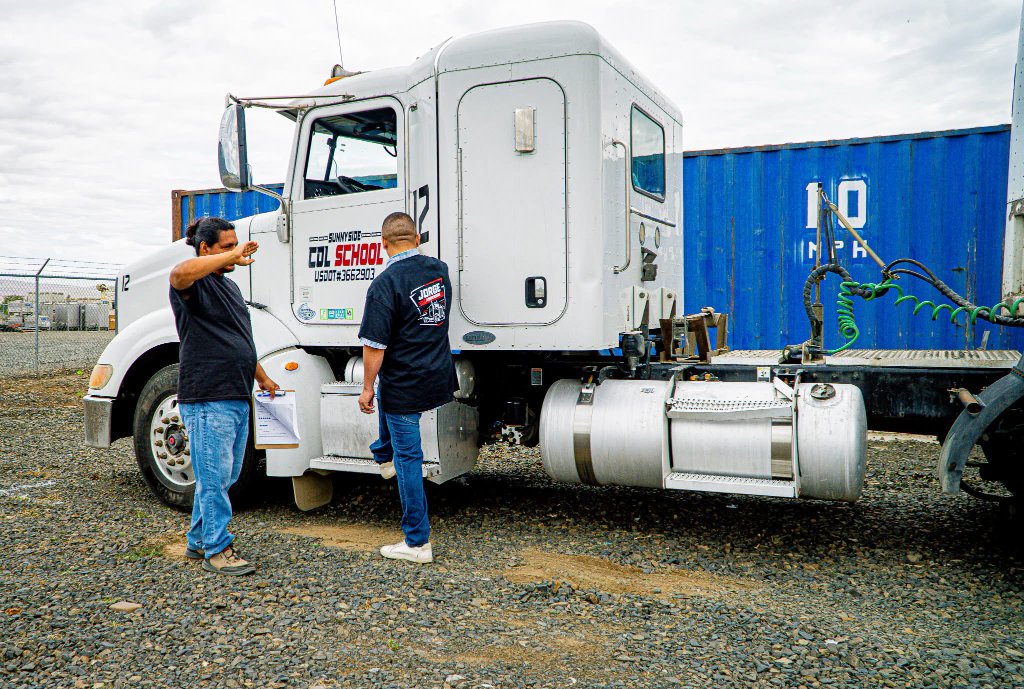
It also helps if you prefer hands-on learning. Commercial driving is a skill-based trade. Reading the manual matters, but real progress happens when you are in the yard practicing maneuvers, learning pre-trip inspection steps, and building confidence behind the wheel.
The biggest advantage: speed to employment
The most obvious reason students choose a fast track CDL training path is simple - they want to start working sooner. A shorter timeline can mean getting licensed faster, applying for jobs earlier, and moving toward a more stable income without a long delay.
That matters when every month counts. If you are trying to replace a weak paycheck, support children, or get back on your feet after a layoff, waiting around is expensive. A focused training schedule can help shorten the gap between where you are now and where you want to be.
There is also a motivation advantage. In a shorter program, students stay locked in. The material is fresh. Skills build on each other quickly. Momentum matters, especially in career training.
Where fast track CDL training can go wrong
Not every program that calls itself fast track is a good investment. Some schools market speed but fail on the basics. If students do not get enough actual driving time, enough instructor attention, or enough preparation for the CDL exam, the short timeline becomes a weakness.
This is where trade-offs matter. A quick schedule is valuable, but only if the program still gives you room to practice. Some students need more repetition with backing, shifting, or pre-trip inspection steps. A quality school pushes students forward while still making sure they are safe and test-ready.
That is why it helps to ask practical questions. How much hands-on time do students get? How experienced are the instructors? Is the schedule structured for real skill development? Does the program prepare students for both the license and the job market that comes after it?
What to look for in a fast track CDL training school
The strongest programs combine speed with structure. They do not waste your time, but they also do not rush past the hard parts.
Start with the training model. You want a school that emphasizes hands-on instruction, not just classroom hours. Commercial driving is learned by doing. You should expect meaningful time on the range and on the road, with instructors who correct mistakes early and help you build consistent habits.
Next, look at scheduling. A fast track format should feel organized, not chaotic. Clear start dates, defined program length, and a training sequence that moves from fundamentals to road readiness usually point to a school that knows how to get students from zero experience to test preparation efficiently.
Support matters too. Many students are not just choosing a school. They are trying to solve the full career puzzle: how to pay for training, how to qualify, how to test, and how to find work after licensure. A school that understands workforce funding, grants, scholarships, and job access can remove barriers that stop people from moving forward.
Fast track does not mean cutting corners
This is one of the biggest misconceptions in the CDL space. People hear fast track and assume it means lower quality. That can happen in a weak program, but it is not what a strong school is offering.
The right fast track model cuts downtime, not standards. It trims unnecessary delays, keeps the training focused, and builds around the skills employers care about most. That includes safe vehicle control, inspection knowledge, backing confidence, and readiness to perform in real working conditions.
A good instructor knows the difference between moving quickly and moving blindly. Students need pressure because the job is serious, but they also need coaching. That balance is what turns short-term training into real career preparation.
How to know if you are ready for the pace
Fast track CDL training is a great fit for many people, but it is not magic. You still need commitment. If your schedule is unpredictable, your attendance will be spotty, or you are not ready to study outside of class, a shorter program may feel harder than expected.
That does not mean you should avoid it. It means you should be honest about what success requires. The students who do best usually come in with a clear goal. They know why they are there, they take instruction seriously, and they treat every day of training like a step toward a better job.
If that sounds like you, the pace can be a strength. It keeps you moving and helps you build confidence quickly. If you need more flexibility, the right school should be able to explain what options are available and whether the program matches your situation.
Why job readiness matters as much as the CDL
Getting the license is the milestone everyone talks about, but it is not the finish line. The real goal is employment. That is why the best fast track programs focus on job-ready skills, not just test-day performance.
Employers want drivers who can show up prepared, follow procedures, work safely, and represent the company well. A school that understands the trucking workforce will train with that in mind. That means more than passing a test route. It means building habits that matter once you are hired.
This is where a workforce-driven school stands out. If the program is designed around employability, students get a more practical return on their time and money. That is especially important for adults making a career change who need training to lead somewhere real.
At Sunnyside CDL School, that career-first mindset is what makes fast training worth considering. The goal is not to keep students in school longer than necessary. The goal is to help them train, test, and move toward work with confidence.
Is fast track CDL training worth it?
For the right student in the right program, yes. It can be one of the most efficient ways to enter a skilled trade with strong earning potential. But the value comes from more than speed. It comes from structure, hands-on practice, instructor quality, and a clear path to employment.
If you are comparing schools, do not get distracted by the shortest timeline alone. Look for the program that respects your time while still preparing you to drive safely and work professionally. Fast is powerful when it is built on real training.
A better career does not always require years of waiting. Sometimes it starts with choosing a program that gets serious people job-ready on a schedule that matches real life.