



A lot of people ask about class a cdl training cost when they are really asking a bigger question: how fast can I get trained, licensed, and into a better-paying job without wasting money? That is the right question. The cheapest number on a website does not always lead to the best outcome, especially if the program cuts driving time, drags out the schedule, or leaves you on your own after training.
If you are comparing schools, think beyond the sticker price. A Class A CDL program is not just a class. It is the training, equipment, instructor support, testing preparation, scheduling, and often the difference between getting on the road quickly or losing weeks chasing the next step yourself.
What class a cdl training cost usually includes
Most Class A CDL training programs bundle several things into one tuition price. That typically includes classroom instruction, range training, road driving practice, and preparation for the CDL skills test. In a stronger program, you are also paying for access to experienced instructors, structured training hours, and equipment that is available when you need to practice.
Some schools also include permit prep, use of the truck for testing, and basic career support. Others advertise a lower rate, then charge more for those pieces later. That is why two programs with very different price tags may not be that different once all the required costs are added back in.
The main takeaway is simple: class a cdl training cost is not just tuition. It is the full price of becoming job-ready.
The typical price range
In many parts of the US, Class A CDL training can range from a few thousand dollars to well over $7,000, depending on the school, the state, the length of the program, and what is included. Some employer-sponsored programs may cost less upfront, while independent schools may charge more because they give students more flexibility in where they work after licensing.
That range is wide for a reason. A short, stripped-down program with limited behind-the-wheel time is not the same product as a hands-on school built around skill development and workforce entry. If your goal is to get licensed and start working with confidence, the better comparison is value per outcome, not just lowest tuition.
Why one school costs more than another
More driving time usually means more value
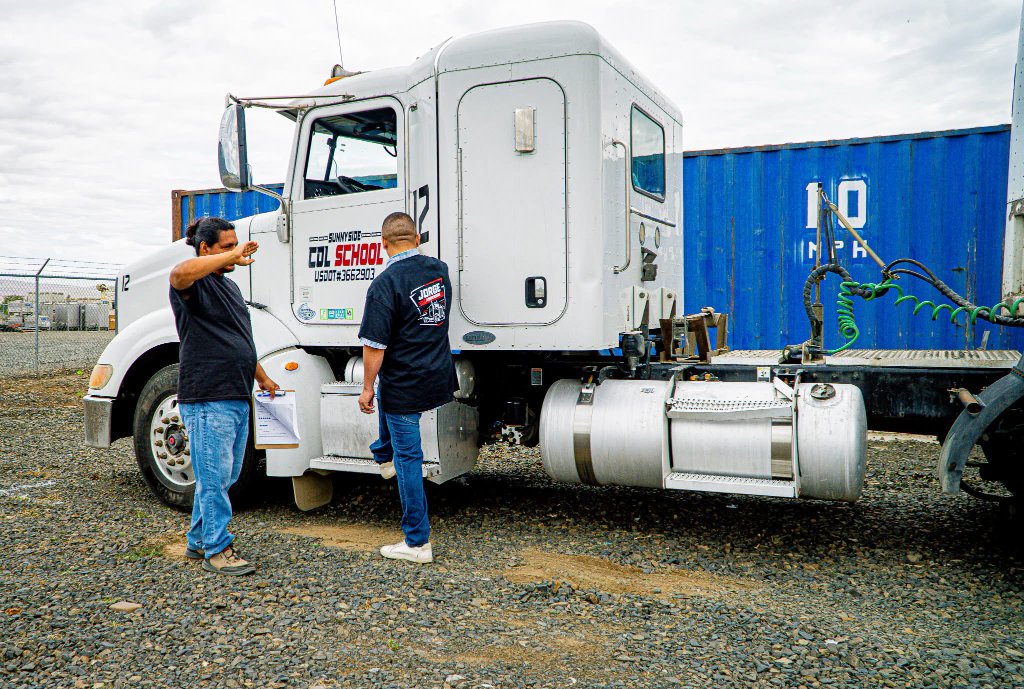
Behind-the-wheel training is where students build real confidence. It is also one of the most expensive parts of any CDL program because it requires trucks, fuel, maintenance, insurance, and instructor time. A school that gives you stronger hands-on training may charge more, but that extra cost often pays off in skill, test readiness, and employability.
Schedule and program speed matter
A fast-track program can be worth more than a lower-cost option that takes much longer to complete. If a structured school helps you finish sooner, pass sooner, and start earning sooner, that changes the real return on your investment. A cheaper program that delays your entry into the workforce can cost you more in lost income.
Instructor quality affects results
Experienced instructors do more than teach test maneuvers. They help students avoid bad habits, understand safety expectations, and prepare for the kind of driving employers expect. That kind of training can make a real difference when you begin interviewing or enter your first driving role.
Equipment access matters more than people think
If a school has too many students per truck, your learning can slow down fast. You want enough seat time, enough instructor attention, and a setup that lets you practice consistently. A lower-cost school with crowded scheduling may not feel like a bargain once you are waiting around for turns instead of building skills.
Costs outside of tuition
When comparing programs, ask what you will pay beyond the posted tuition. Permit fees, DOT physicals, drug screening, licensing fees, and testing fees may or may not be included. Some schools include use of the truck for the CDL skills test, while others bill that separately.
You should also think about transportation, time away from work, and any income gap during training. For many adult students, those indirect costs matter just as much as tuition. A program with a clear schedule and a short timeline can help reduce those pressures.
Is the cheapest CDL program the best deal?
Usually not.
A low upfront price can look attractive when you are trying to make a career move on a budget. But low cost only helps if the training gets you where you need to go. If the program lacks structure, gives you limited hands-on time, or offers little support around testing and job access, you may end up paying in other ways - extra training, retest fees, more time out of work, or a slower path into the trucking industry.
The better question is whether the school gives you a clear route from enrollment to licensure to employment. That is where real value shows up.
How to compare class a cdl training cost the right way
When you speak with a school, ask direct questions. What is included in tuition? How much actual driving time do students get? How long does the program take? Are there extra fees for testing, permits, or truck use? Is job placement support available after training?
You should also ask how the schedule works. For working adults, schedule fit can make or break the training process. A program that is designed around real-life responsibilities is often worth more than one that looks cheaper but creates delays or attendance problems.
Strong schools make the process clear. They explain the program, the timeline, the total cost, and the funding options without making you guess.
Funding can change what the cost feels like
For many students, affordability is not just about the listed tuition. It is about whether there are workable ways to pay for training. Depending on your situation, workforce funding, grants, scholarships, or other approved training support may help reduce out-of-pocket cost.
That matters because CDL training is often a short-term investment aimed at getting you into the workforce quickly. If a school helps students navigate funding options instead of simply quoting a number and leaving them there, that can make training much more accessible.
This is one reason career-focused schools stand out. They understand that students are not shopping for a hobby. They are trying to move into a stronger income path and need a practical way to get there.
Independent school vs company-sponsored training
Some students compare private CDL schools with company-sponsored training programs. The difference often comes down to flexibility.
A company-sponsored route may reduce upfront cost, but it can come with work commitments, payback terms, or limited choice about who you drive for after training. An independent school may cost more at the start, but it can give you more control over your job options once you earn your license.
Neither path is automatically better. It depends on your finances, your timeline, and how much freedom you want when it is time to choose an employer.
What a strong return on investment looks like
A Class A CDL program should lead somewhere concrete. The goal is not to collect a certificate and hope for the best. The goal is to gain the skills, license, and confidence to start pursuing real driving jobs.
That is why ROI matters more than raw price. If a program helps you train efficiently, pass the test, and move toward trucking jobs faster, the cost can make sense even if it is not the lowest option on the market. Schools like Sunnyside CDL School are built around that workforce-first model - hands-on training, expert instruction, and a direct path toward job-ready skills.
Red flags to watch for
Be careful with schools that advertise a very low rate but are vague about what is included. You should also be cautious if a program cannot clearly explain training hours, instructor access, or test preparation. If the schedule feels disorganized before you enroll, that can be a sign of bigger issues once training starts.
Another warning sign is a sales pitch that focuses only on getting you signed up quickly without answering practical questions. A serious training partner should be able to talk plainly about total cost, timeline, and outcomes.
So what should you expect to pay?
Expect class a cdl training cost to vary based on location, program quality, and what is built into the training package. More importantly, expect the best programs to be transparent about the full investment and focused on helping you turn that investment into a working CDL as quickly as possible.
If you are serious about entering trucking, do not judge a school by tuition alone. Judge it by how well it prepares you to earn. The right program should make the next step feel closer, clearer, and worth paying for.