


A commercial truck does not require you to arrive with years behind the wheel. If you are asking, can you get a CDL with no experience, the answer is yes. Everyone who holds a commercial driver’s license started before they had commercial driving experience. The key is replacing that missing experience with the right training, a valid Commercial Learner’s Permit, and enough practice to pass the required tests safely.
For adults looking for a direct path into a better-paying career, CDL training can turn a career change into a practical plan. You do not need a four-year degree or a background in trucking. You do need to meet your state’s requirements, put in the work during training, and be ready to start in an entry-level driving role.
You Can Get a CDL With No Experience
A CDL is a license, not a job title. Your state issues it after you meet eligibility rules and pass knowledge and skills tests. Prior work as a truck driver is not a requirement for the license itself.
What many new drivers confuse with the CDL process is the hiring process. A carrier may ask whether you have experience because it affects the type of route, equipment, or freight they can offer. That does not mean you cannot get hired. It means your first job will likely be designed for newer drivers, often with additional company orientation, a trainer ride-along, or a probationary period.
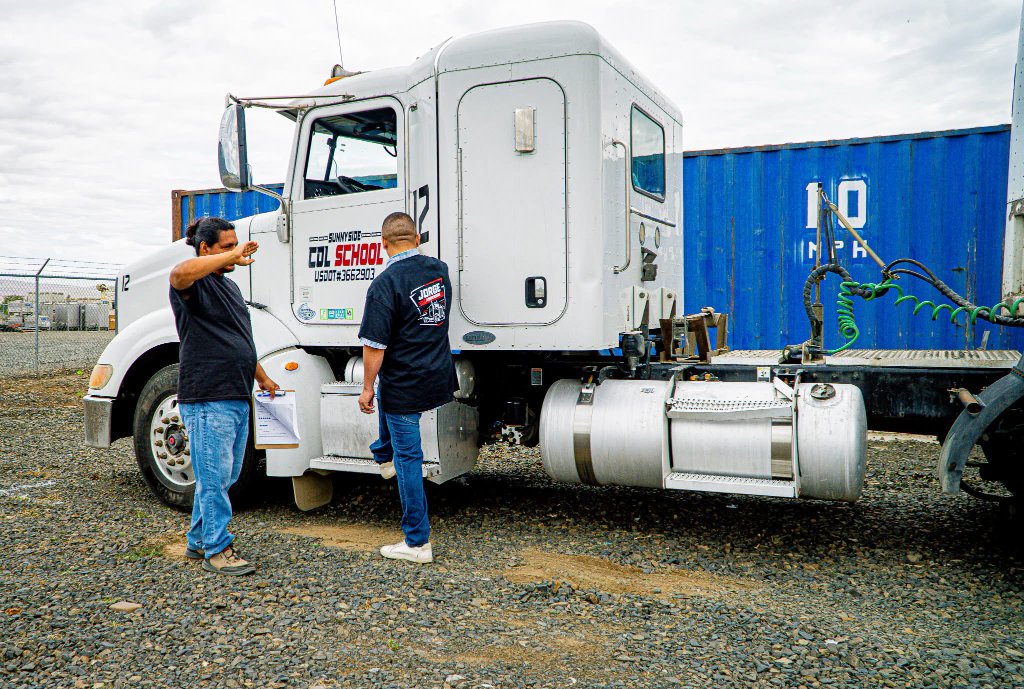
A quality CDL program helps close the gap between having no experience and being ready to apply for entry-level work. Classroom instruction covers rules, inspections, safety, and logbook basics. Hands-on training gives you time to practice backing, turning, shifting when applicable, coupling, uncoupling, and pre-trip inspections. Those are the skills employers expect new CDL holders to understand on day one.
What You Need Before CDL Training
Requirements vary by state, but most applicants need a valid driver’s license, proof of identity and residency, and the ability to pass a Department of Transportation medical exam. The medical exam confirms that you can safely perform commercial driving duties. Vision, hearing, blood pressure, medications, and overall health can all be part of the review.
You will also need to meet age requirements. In most cases, drivers who operate only within their home state can qualify at age 18. To drive across state lines or haul certain federally regulated freight, you generally must be at least 21.
A clean driving record helps, but perfection is not always required. A school or employer may review past violations, license suspensions, DUI convictions, and criminal history based on the job and the freight involved. If you have a record concern, ask about it early. Getting clear information before enrolling lets you choose a training and employment path with realistic expectations.
The Step-By-Step Path From Beginner to Licensed Driver
The process is straightforward, even if it feels unfamiliar at first. You start by studying for the written knowledge tests required in your state. After passing them, you receive a Commercial Learner’s Permit, commonly called a CLP. This permit allows you to train behind the wheel with a qualified CDL holder.
Before taking the final skills test, new Class A and Class B applicants must complete Entry-Level Driver Training, or ELDT, through an approved provider. ELDT is designed to ensure new commercial drivers receive baseline instruction in both theory and behind-the-wheel skills.
Once you have completed the required training and held your permit for the required time, you take the CDL skills test. The test typically has three parts: a vehicle inspection, basic vehicle control, and an on-road driving exam. You must pass each part. Training matters because the test is not just about driving forward. You need to explain what you are inspecting, control the vehicle in tight spaces, and make safe decisions in traffic.
After passing, your state issues the CDL for the class of vehicle you tested in. From there, you can apply for driving jobs that match your license and qualifications.
Choose Class A or Class B Based on the Work You Want
No-experience drivers should choose a license class based on the kind of work they want to pursue, not just the biggest truck they see on the road.
A Class A CDL is generally the broader option. It can qualify you to operate combination vehicles, such as a tractor-trailer, when the weight ratings meet federal thresholds. Class A can open doors to long-haul trucking, regional routes, dedicated freight, and many local delivery positions.
A Class B CDL is commonly used for single vehicles with higher weight ratings, including dump trucks, box trucks, straight trucks, transit buses, and certain delivery vehicles. For someone who wants local work, construction-related driving, passenger transportation, or routes that bring them home more often, Class B may be the better fit.
Endorsements can expand your options. Passenger, school bus, tanker, doubles/triples, and hazardous materials endorsements each have their own requirements. You do not need every endorsement to start. Pursue the ones that fit the work you want, and remember that hazardous materials work involves additional federal screening.
How Training Builds Experience Before Your First Job
You cannot honestly claim years of driving experience after completing school. But you can show an employer that you received structured instruction and passed a demanding state skills test. That distinction matters.
The best training environment gives you repeated practice, not one quick turn around a parking lot. You should learn how to inspect a vehicle systematically, identify safety defects, plan turns, judge space, back with control, and communicate professionally. You should also understand that safe driving is about patience. A new driver who slows down, checks mirrors, sets up properly, and asks questions is far more valuable than one who rushes to look experienced.
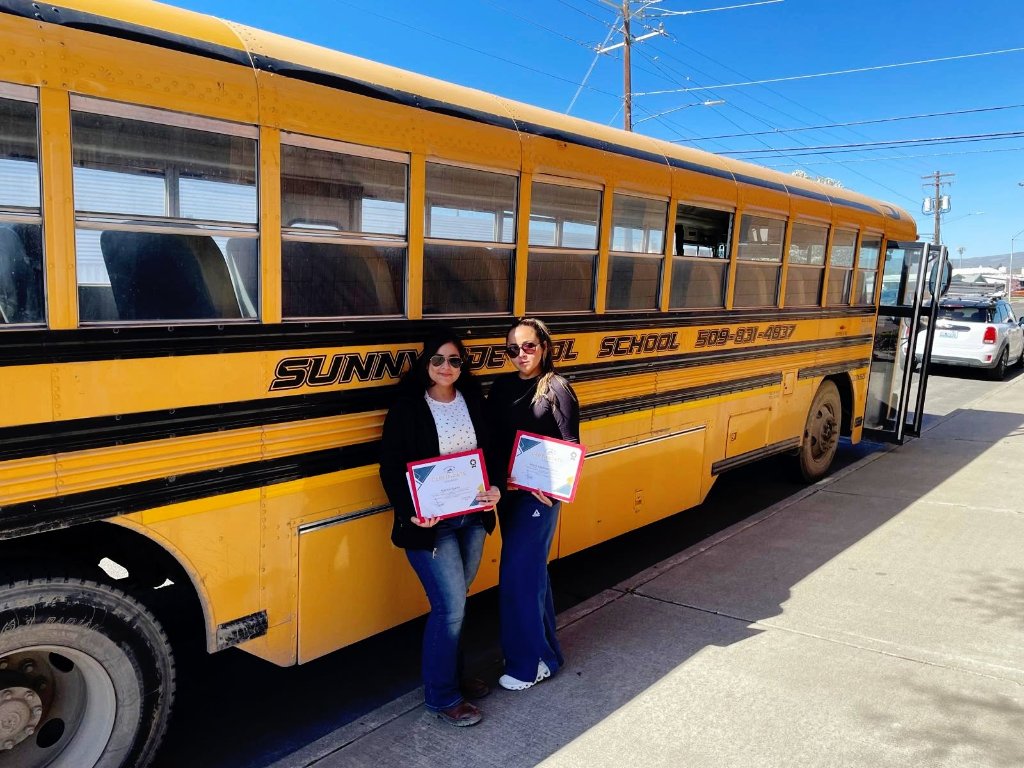
At Sunnyside CDL School, the focus is on hands-on training that prepares students for both the licensing exam and the job ahead. Expert instruction and a structured schedule can help you build the habits that make employers more comfortable hiring a first-time commercial driver.
Getting Your First CDL Job Without Experience
Your first role may not be your forever role. Many new CDL holders begin with a carrier that has a formal new-driver program, then move into more specialized or higher-paying opportunities after building a safe work history.
Look closely at the full job offer, not only the advertised pay. Ask how training pay works, whether the route is local, regional, or over the road, how much home time is expected, and whether there is a contract tied to employer-paid training. Find out what equipment you will operate, whether the job is touch freight, and how performance is measured.
Company-sponsored training can reduce upfront costs, but it may require you to work for that carrier for a set period. Independent school training can give you more flexibility in choosing employers, although you need a plan for tuition, grants, scholarships, workforce funding, or other available assistance. Neither route is automatically better. The right choice depends on your budget, timeline, and the amount of control you want over your first job search.
New drivers can improve their chances by being dependable before they ever apply. Show up on time for training, take the pre-trip inspection seriously, keep your driving record clean, and be honest in applications. Employers know you are new. What they want to see is that you are coachable, safety-minded, and prepared to work.
Common Concerns New CDL Students Have
Many people worry that they have never driven anything larger than a pickup truck. That is exactly why supervised training exists. Commercial vehicles feel different because of their size, braking distance, blind spots, and turning radius, but these skills are taught through repetition. You do not need to know how to back a trailer before class starts.
Others worry about the written tests. Studying is part of the process, but you are not expected to figure it out alone. Strong instruction connects the information in the manual to what you see during inspections and behind the wheel. When the material has a real purpose, it becomes easier to remember.
The bigger question is whether you are ready for the responsibilities of commercial driving. The job requires focus, reliable attendance, safety awareness, and the ability to follow regulations. If you bring that mindset, a lack of prior trucking experience does not have to hold you back.
Your first CDL job is where the experience begins. Start with serious training, earn the license that fits your goals, and take the first opportunity that helps you build a safe, dependable record behind the wheel.