




A CDL can change your earning path in a matter of weeks, but tuition can feel like the one obstacle standing between you and the driver’s seat. So, can workforce grants pay for CDL training? In many cases, yes. Qualified job seekers may be able to use workforce funding to cover some or all of an approved Class A or Class B CDL program.
The key is knowing which programs apply to your situation, what your local workforce office requires, and when to start the process. Funding is not automatic, but it can make a fast-track trucking career far more accessible for people who are ready to train and get to work.
How Workforce Grants Can Pay for CDL Training
Workforce grants are public funds designed to help eligible adults build skills for in-demand jobs. Commercial driving often qualifies because trucking, delivery, construction, public works, and other transportation-related fields need trained, licensed drivers.
Many of these opportunities are connected to the Workforce Innovation and Opportunity Act, commonly called WIOA. Local workforce development boards administer funding differently by state and county, so the details can vary. One area may prioritize unemployed workers, while another may also help underemployed adults who are working but not earning enough to support themselves or their families.
When CDL training is on the local approved training list, a workforce grant may pay for tuition, books, permit preparation, testing fees, and required training materials. In some situations, funding can also help with related costs such as transportation, work gear, or child care. Those added supports depend on the program and your eligibility.
The strongest fit is usually a student who has a clear employment goal. Workforce agencies want to see that training leads to a real job opportunity, not just a certificate. CDL programs are often a good match because the path is direct: complete hands-on training, earn the license, and pursue driving work.
Who May Qualify for CDL Workforce Funding?
Every workforce office uses its own eligibility rules, but several groups commonly have a strong chance of qualifying. You may be a good candidate if you are unemployed, recently laid off, receiving certain public benefits, working in a low-wage job, or changing careers after an industry decline.
Veterans, displaced workers, young adults, and people returning to the workforce may also have funding pathways. Some programs give priority to people with limited income, while others focus on workers affected by layoffs or business closures. There are also local grants tied to specific industries, employers, or regions with a high demand for drivers.
Your current work status matters, but it is not the only factor. A person earning modest wages in a job with little room for advancement may qualify even if they are employed. On the other hand, someone with a higher income or access to employer-paid training may not meet the financial requirements for certain grant programs.
Eligibility can also depend on practical requirements. You may need to be legally able to work in the United States, meet age requirements for the type of driving job you want, have a valid driver’s license, and be able to meet Department of Transportation medical standards. A workforce grant does not remove the licensing requirements for a CDL.
What Funding Usually Covers - and What It May Not
A grant can reduce or eliminate the cost of training, but students should never assume every expense is included. Before you enroll, ask for a clear breakdown of covered costs and any balance you may need to pay yourself.
Workforce funding often covers the core cost of an approved CDL program, including classroom instruction, behind-the-wheel practice, range training, and preparation for the CDL skills test. It may also cover permit-related education, textbooks, or required course materials.
There can still be out-of-pocket costs. A Department of Transportation physical, drug screening, driver record fees, permit fees, licensing fees, and testing fees are sometimes separate. The same is true for lost wages while you are in training. If you need to reduce work hours to attend class, plan for that gap before your start date.
This is where a career-focused school can help. A training team should be able to explain program costs, class schedules, documents you may need for your funding appointment, and whether the program meets local workforce requirements. That clarity helps you avoid enrolling in a course that cannot be funded through your local office.
Start the Funding Process Before You Enroll
One of the most common mistakes future drivers make is paying for training before speaking with a workforce counselor. Many grants must be approved before classes begin. If you enroll first, you may lose access to funding that could have covered your program.
Start by contacting your local workforce center and tell them you want to train for a Class A or Class B CDL. Ask whether CDL training is eligible through their current funding programs and whether the school you are considering is an approved provider.
Then be ready to complete an intake process. This typically includes an eligibility review, career assessment, employment plan, and document verification. The agency may ask for proof of identity, income, residence, work authorization, employment history, unemployment status, or public-benefit participation.
Your career plan matters. Be specific about the work you want after training. For example, you might be pursuing regional freight, local delivery, construction hauling, transit, waste collection, or equipment transport. A clear goal shows that you understand how the license connects to employment.
Once approved, follow the funding office’s directions closely. They may issue a training voucher, pay the school directly, require attendance updates, or ask you to report job placement after graduation. Grant funds come with accountability, so staying responsive helps keep your training on track.
A Practical Plan for Getting CDL Training Funded
The fastest route is usually a coordinated one. Do not wait until your training start date is around the corner to explore funding. Give yourself time to gather documents and complete any required appointments.
Use this four-step approach:
- Contact your local workforce center and ask about CDL-specific grants, WIOA funding, and approved training providers.
- Confirm the training program’s schedule, tuition, licensing preparation, and documentation requirements before you apply.
- Complete the workforce eligibility process and get written approval before paying tuition or starting class.
- Stay focused on attendance, skills practice, and job search activity so you can move from training to employment quickly.
The process can take longer in some areas than others. A workforce office may have limited funding, a waitlist, or enrollment windows. If grant money is not immediately available, ask about other options such as scholarships, employer-sponsored training, payment plans, veteran benefits, or state-specific career programs.
Choosing a CDL Program That Supports Your Goal
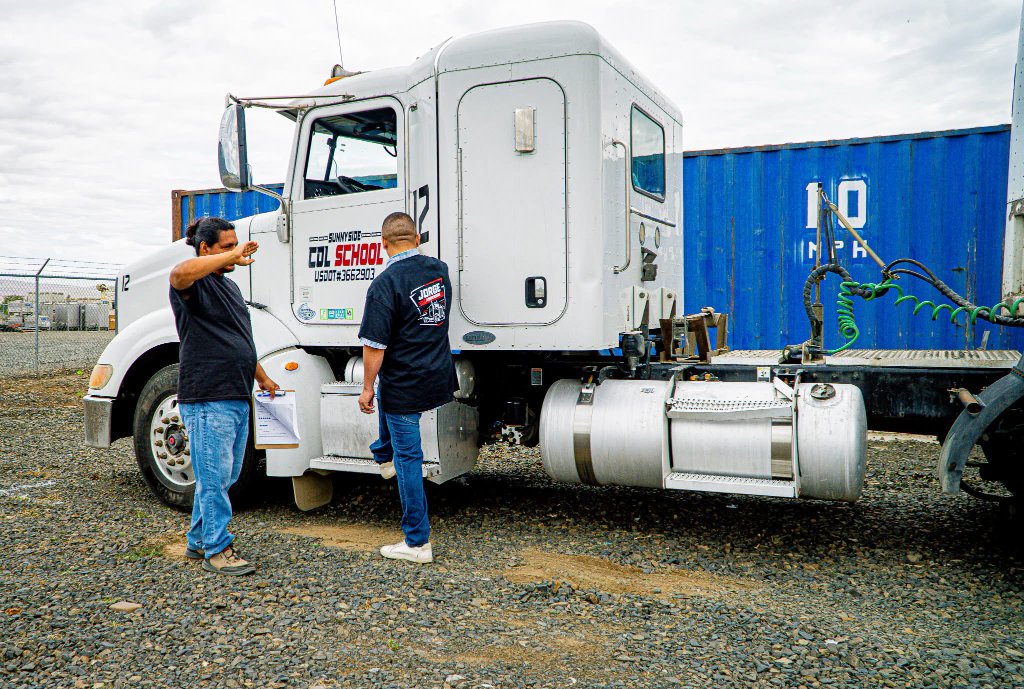
Funding only helps if the training prepares you for the work you want. Look for a program with structured schedules, experienced instructors, hands-on range and road training, and a direct focus on CDL testing standards. You need more than information about trucking. You need the practical skills to inspect equipment, control the vehicle, back safely, manage turns, and pass the required exams.
Also consider whether Class A or Class B training fits your target job. A Class A CDL can open the door to tractor-trailer and combination vehicle work, while a Class B CDL may fit straight trucks, buses, dump trucks, and local delivery roles. The right choice depends on the kind of driving career you want and the openings available in your area.
Sunnyside CDL School is built for students who want a practical path from training to licensure to work. The goal is not to keep you in a classroom longer than necessary. It is to help you build job-ready driving skills with expert instruction and a schedule designed around getting you prepared for the road.
Do Not Let Tuition Decide Your Career for You
Workforce funding can be a serious advantage, but approval depends on your location, eligibility, the available budget, and the training provider. The best move is to ask early, get the facts from your local workforce office, and choose a CDL program that supports both funding requirements and your employment target.
A better-paying driving career may be closer than it looks. Start the funding conversation now, show up prepared, and put yourself in position to train for the license that can move your career forward.