


A lot of new drivers make the same mistake. They focus only on the highest advertised pay and ignore the kind of experience that first job will actually give them. The truth is, the best entry level cdl jobs are the ones that get you hired quickly, build safe driving habits, and position you for better routes, better equipment, and stronger income over time.
Your first CDL job does not need to be your forever job. It needs to be a smart launch point. If you are training for a Class A or Class B license, understanding where new drivers usually get hired can help you choose a path that fits your schedule, income goals, and comfort level behind the wheel.
What makes the best entry level CDL jobs?
For a new driver, a strong first job usually checks four boxes. It is willing to hire recent CDL graduates. It offers enough seat time to build confidence fast. It gives you a clear routine or structured support. And it helps you move into better-paying opportunities later.
That last point matters more than many people realize. Some jobs start with decent pay but do little for your long-term options. Others may be demanding at first, yet they give you the kind of experience that opens doors after six months to a year. The right choice depends on how quickly you want to work, how much home time you need, and whether you want local, regional, or over-the-road driving.
Best entry level CDL jobs for new drivers
1. Regional dry van driver
For many Class A graduates, regional dry van work is one of the strongest places to start. The freight is common, the equipment is standard, and many carriers have onboarding programs built for drivers with little or no experience.
Regional routes can be a good middle ground. You are not usually home every night, but you are often home more often than an over-the-road driver. That makes this role attractive for new drivers who want steady miles without disappearing for weeks at a time.
Dry van is also useful because the work teaches core skills that transfer well later - trip planning, backing, pre-trip inspections, dock procedures, log management, and highway driving in different conditions.
2. Over-the-road beginner driver
OTR is still one of the fastest ways for a new Class A driver to get hired. If your top goal is to gain experience fast, this route can make sense. You usually cover more miles, see more situations, and build time behind the wheel quickly.
The trade-off is obvious. You spend more time away from home, and that lifestyle is not for everyone. Some new drivers do well with it because they want a hard reset, a bigger paycheck, or a direct path into the industry. Others find it wears them down faster than expected.
If you choose OTR, look closely at training quality, home time expectations, and how the company supports new drivers during the first few months.
3. Local delivery driver with a Class B CDL
If you want to work and sleep at home most nights, local delivery can be one of the best entry level CDL jobs on the Class B side. Think beverage delivery, foodservice support, box truck routes, construction materials, or equipment delivery.
This kind of work is often more physical than people expect. You may be unloading product, handling liftgates, moving carts, or making repeated stops all day. But for drivers who want a routine, regular customer contact, and less long-haul time, it can be a very practical start.
Local Class B work also fits people who are moving into trucking from warehouse, retail, landscaping, construction, or delivery backgrounds.
4. Yard jockey or hostler driver
A yard jockey job can be a smart stepping stone if you are still building confidence with backing and trailer handling. These drivers move trailers around terminals, distribution centers, and warehouse yards.
You may not rack up highway miles in the same way as road drivers, but you can sharpen low-speed control, coupling and uncoupling, space awareness, and backing precision. For some employers, that experience can help you transition into a full road position later.
This option is especially useful for newer drivers who want to work around trucks first and move into broader driving duties after proving themselves.
5. Dump truck driver
For Class B drivers, dump truck work can be a strong fit, especially in construction-heavy markets. It is often local or regional, and the workday usually has a clearer start and finish than long-haul trucking.
The downside is that work volume can be tied to season, weather, and local construction demand. You also need to get comfortable around job sites, changing terrain, and tighter maneuvering spaces.
Still, if you want practical local work with real skill value, dump trucking is often worth considering.
6. Straight truck driver
Straight truck jobs sit in a useful middle lane. They can be easier to handle than tractor-trailers for some new drivers, but they still provide commercial driving experience, route discipline, customer interaction, and delivery accountability.
These roles show up in moving companies, freight delivery, utility support, and local service fleets. Depending on the employer, they may require a Class B CDL or sometimes a Class A if combination equipment is involved.
For career changers who want a more manageable first commercial vehicle, this can be a strong entry point.
7. Bus driver
If your goal is stability over maximum miles, bus driving deserves a serious look. School bus, transit, shuttle, and coach positions can provide structured schedules and a more predictable work environment.
This path is different from freight. You are responsible for passengers, not cargo, and employers usually place a strong emphasis on safety, punctuality, and customer interaction. Some drivers thrive in that environment. Others prefer the independence of freight hauling.
If you are comfortable working with the public and want a CDL career with routine, bus driving may be one of the most dependable starting points.
8. Food and beverage delivery driver
These jobs can pay well early, especially when overtime, route incentives, or physically demanding work are part of the compensation. They are also often available to newer drivers because turnover can be higher.
You earn that money. This is one of the more demanding entry-level paths because it combines driving with unloading, fast pacing, repeated stops, and early start times. But if you want local work and you do not mind physical labor, it can be a fast way to build income and experience.
9. Recycling, sanitation, or municipal fleet driver
Municipal and utility-style driving jobs do not always get the attention they deserve, but they can be excellent for entry-level CDL holders. These roles may offer regular schedules, benefits, and local routes.
Hiring requirements vary. Some cities and contractors want previous experience, while others are open to training new CDL holders. If steady work, local hours, and benefits are your top priorities, this category is worth checking.
How to choose the right first CDL job
The best first job depends on what problem you are trying to solve.
If you need to get working fast and maximize driving experience, regional or OTR Class A jobs are often the quickest path. If home time matters most, local Class B delivery, dump truck, bus, or municipal driving may be more realistic. If you want higher early earnings and do not mind physical work, foodservice and beverage delivery can be strong options.
You should also think about the kind of training and support a company offers. A lower starting rate at a company that takes safety seriously and helps new drivers succeed may beat a flashy pay number attached to poor equipment or weak dispatch support.
What employers look for in entry-level CDL drivers
Even when a company says no experience required, they are not hiring blindly. They want to see a clean driving record, reliable attendance, drug-free compliance, and a professional attitude. They also want proof that you can handle the job safely under pressure.
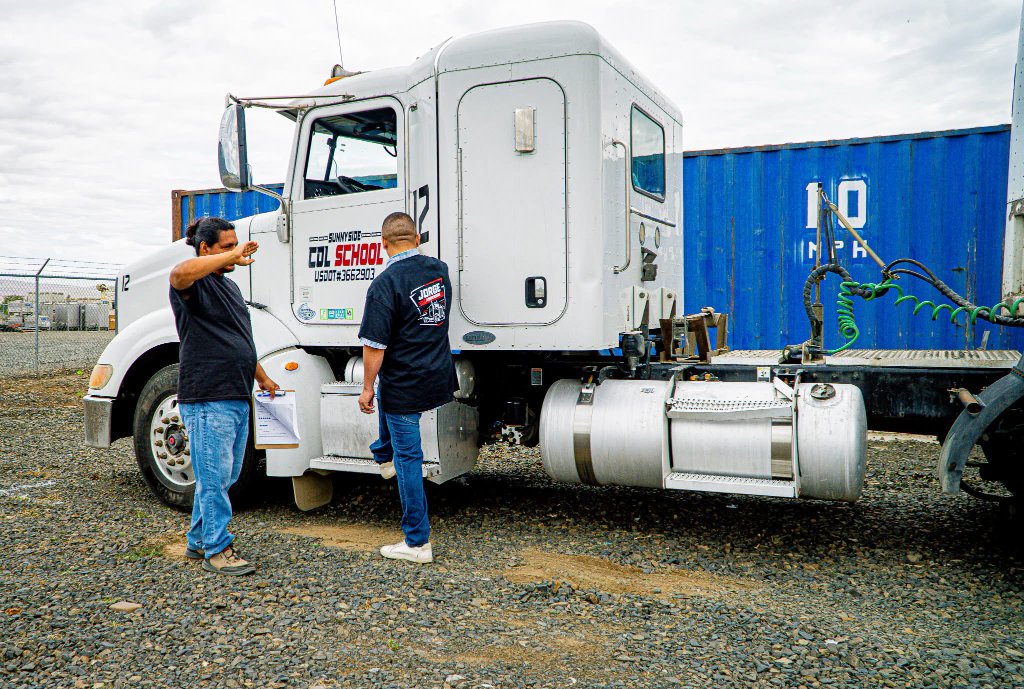
That is why hands-on training matters. Employers know the difference between a graduate who has practiced backing, inspections, shifting, and road skills in a real training environment and someone who is still shaky on the basics. A fast-track program only works if it produces drivers who are ready for the job, not just ready for the test.
How training affects your job options
Your CDL school can shape your first opportunities more than you think. Good training helps you pass the exam. Better training helps you enter the workforce with more confidence and more realistic job options.
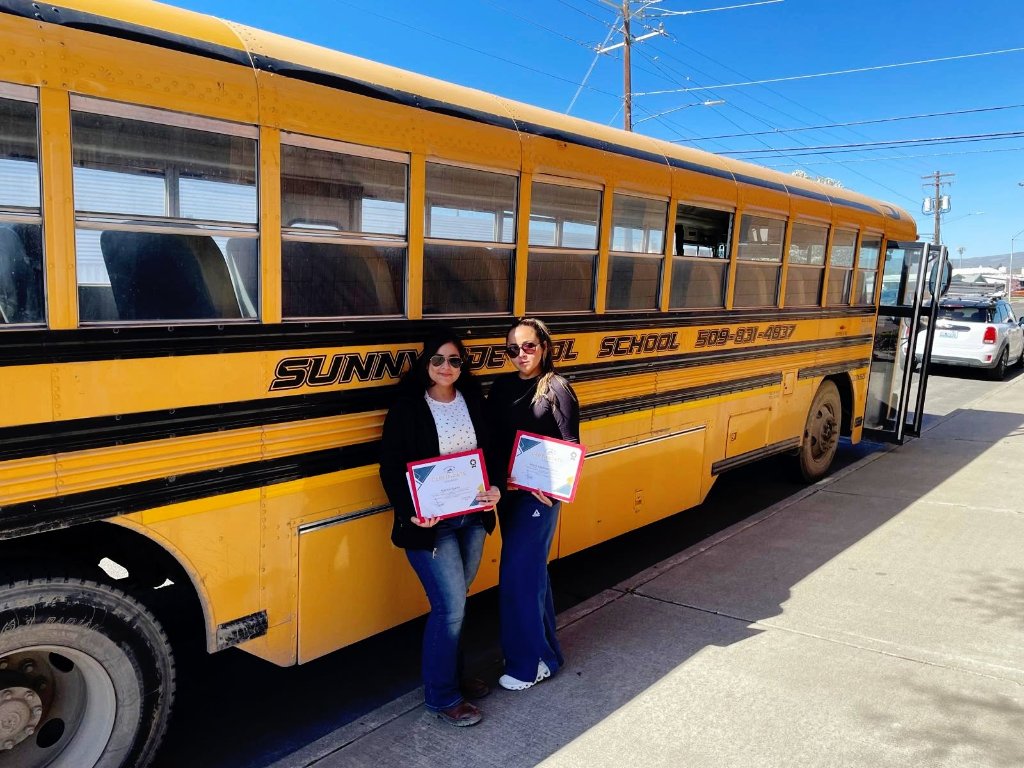
A school that focuses on hands-on instruction, structured schedules, and job-ready preparation can make the jump into work much smoother. At Sunnyside CDL School, the goal is not just to help students earn a license. It is to prepare them for real hiring conversations, real equipment, and real entry-level opportunities that lead somewhere.
That matters because your first job is not the finish line. It is the first move in a career that can grow quickly when you start with the right habits, the right training, and a clear plan.
A smart first job beats a perfect one
Do not get stuck waiting for the perfect posting. The best entry level CDL jobs are the ones that match your license, fit your life, and help you build experience that pays off later. Start with a role that gets you moving, learning, and earning - then use that momentum to move up.