



If you're searching for the best class a cdl school, you're probably not looking for a hobby. You're looking for a faster path to a real paycheck, a practical skill, and a career that can move you forward without spending years in school.
That means the right question is not just, "Which school has the lowest price?" It's, "Which program gets me trained, licensed, and ready to work with the least wasted time and the best shot at getting hired?" A good CDL school should help you build skill quickly, prepare for the test, and give you the kind of hands-on experience employers actually care about.
What makes the best class a cdl school
The best class a cdl school is not always the biggest, the cheapest, or the one with the flashiest marketing. It's the one that prepares you for the real demands of commercial driving.
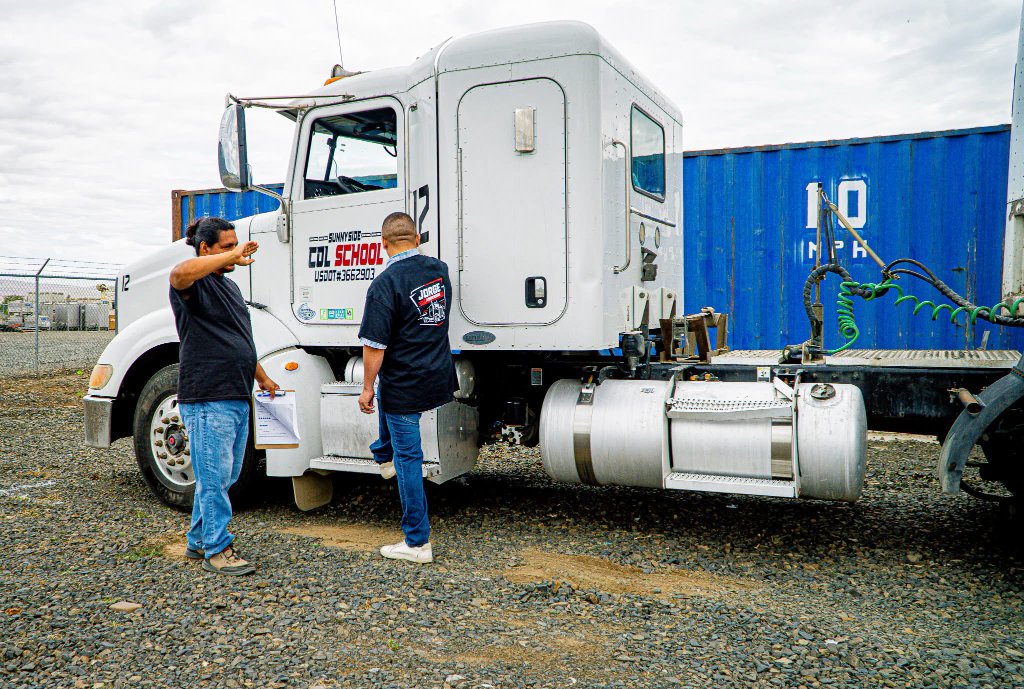
That starts with hands-on training. You can read about air brakes, backing maneuvers, inspections, and shifting all day, but Class A driving is a skill trade. You need time behind the wheel, time on the range, and instructors who can correct mistakes before they become habits. If a program leans too heavily on classroom time and not enough on actual truck training, that's a problem.
The next factor is instruction quality. A strong school has experienced instructors who know how to teach beginners, not just experienced drivers who know how to drive. There is a difference. Great instructors break complex tasks into repeatable steps. They keep training structured, hold students to a standard, and prepare them for both the CDL exam and the first job after it.
Schedule matters too. Many students looking at CDL training are working, supporting families, or trying to leave a low-paying job quickly. A school should offer a clear path from enrollment to completion without dragging the process out. Fast-track training can be a major advantage, as long as the program still gives you enough practice to become job-ready.
A low price can cost more later
It's tempting to focus on tuition first. That's understandable. But the cheapest option can become the most expensive if the training is weak, the schedule is disorganized, or you finish without enough confidence to pass your exam or perform on the job.
A better way to look at cost is return on investment. If a school offers solid behind-the-wheel training, expert instruction, funding guidance, and real job support, that value can outweigh a lower sticker price somewhere else. Getting on the road sooner and landing a paying job faster changes the math.
This is also where financial support matters. Some schools help students explore workforce funding, grants, or scholarship options. For many adults changing careers, that support can make training possible without putting everything on hold. If a school talks about affordability but gives no guidance on how to pay for it, that can create friction right when you need momentum.
How to compare Class A CDL schools without wasting time
When you're evaluating programs, look past broad claims and get specific. Ask how much actual driving time students receive. Ask whether training includes range practice, road driving, inspections, coupling and uncoupling, and backing maneuvers. Ask how the school prepares students for CDL testing and what kind of structure the training follows.
You should also ask about class size. A packed training yard can slow down your progress if too many students are waiting for truck time. More students does not automatically mean a bad program, but it can mean less individual attention. If you're trying to build confidence quickly, access to instructors and equipment matters.
Another smart question is what happens after training. Some schools stop at test prep. Others are built around career outcomes and help students connect with hiring opportunities. If your goal is a high-paying trucking career, job access should be part of the conversation from day one.
Signs a CDL program is built for employment
The strongest programs are workforce-driven. They understand that students are not signing up to collect certificates. They want to get licensed and get hired.
That usually shows up in a few ways. First, training is practical. Students spend time on the skills employers expect, not just the material needed to check a box. Second, the school keeps the process organized. Enrollment, scheduling, training, testing preparation, and next-step guidance should feel clear, not confusing. Third, the program treats employability as part of the product. That means helping students understand what carriers want, how to present themselves, and how to move toward job opportunities once training is complete.
A school like Sunnyside CDL School reflects that kind of model by focusing on hands-on training, structured programs, and workforce readiness rather than treating CDL education like a generic classroom course.
The best class a cdl school fits your timeline
Not every student needs the same format. Some people can train full time and want the fastest route possible. Others need a schedule that works around a current job or family responsibilities. The best class a cdl school for you is the one you can realistically complete.
This is where honesty helps. A fast program sounds great, but only if you can consistently show up and stay on pace. If your schedule is tight, a slightly longer program with reliable attendance options may actually get you to the finish line faster than an aggressive schedule you can't maintain.
The right school should be upfront about expectations. You should know how long training takes, how often classes meet, what kind of commitment is required, and how quickly you can move toward testing. Clear timelines help you plan your life and keep your career change on track.
Don't ignore the training environment
A lot of people focus on curriculum and cost but overlook the training environment. That can be a mistake.
You want a school where the pace is serious, the expectations are clear, and students are treated like future professionals. Commercial driving comes with responsibility. Training should reflect that. If a school feels chaotic, disorganized, or overly casual, that can carry over into the quality of instruction.
A strong environment is supportive without being soft. Good instructors correct you directly, keep you moving, and help you improve. That's what prepares you for a CDL exam and for real work in the trucking industry.
Questions worth asking before you enroll
Before choosing a school, ask direct questions and pay attention to how clearly the staff answers. You should understand what licenses the program prepares you for, what equipment you'll train on, how testing preparation works, and what support is available if you need help with funding.
You should also ask what kind of student succeeds there. The answer will tell you a lot. If the school is used to helping beginners, career changers, and job seekers who need a straightforward path, that's usually a good sign for anyone looking for a practical entry point into trucking.
And trust your instincts. If the process feels unclear before enrollment, it probably won't get clearer after you start. The best schools reduce confusion. They make it easier to take action.
What your decision should really come down to
At the end of the day, the best class a cdl school is the one that helps you move from interest to income with real skill, real structure, and real job readiness. You do not need hype. You need a program that respects your time, trains you properly, and supports your next step.
A CDL can open the door to steady work and stronger earning potential, but the school you choose shapes how quickly and confidently you get there. Look for hands-on training, expert instructors, a schedule that fits your life, and support that goes beyond the classroom.
Choose the program that feels built for people who are serious about getting to work. That choice can do more than help you pass a test. It can help you start a career with momentum.